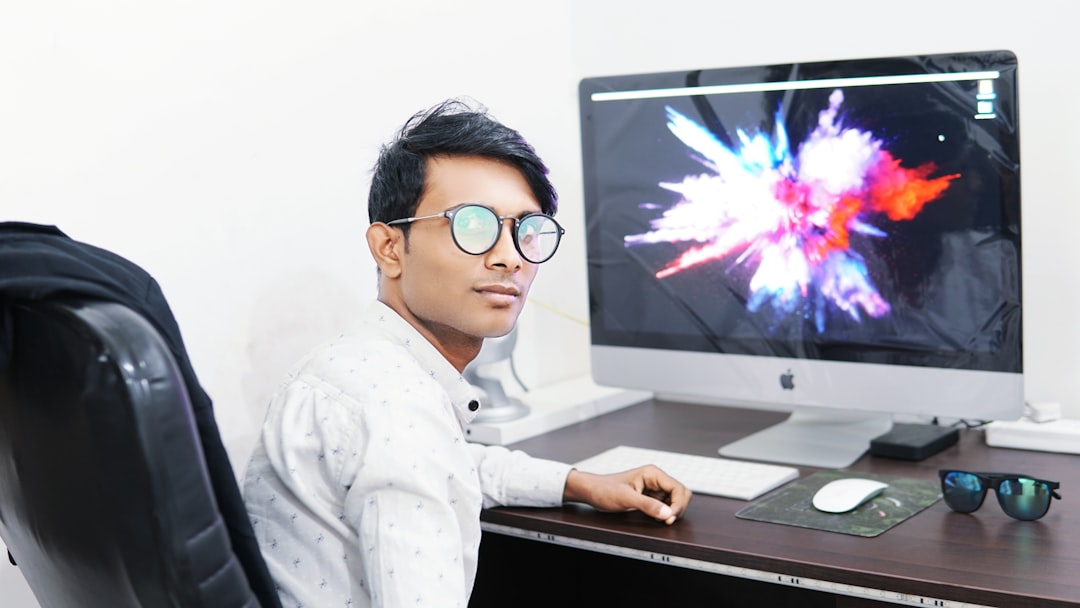

Artificial intelligence image generators have moved from experimental curiosities to practical tools used by designers, marketers, publishers, entrepreneurs, and creative teams. Their rapid adoption is changing how visual ideas are developed, tested, refined, and delivered. While these systems do not replace professional judgment, they are reshaping the expectations, workflows, and economics of graphic design and content creation.
TLDR: AI image generators are accelerating visual production by helping creators produce concepts, drafts, and campaign assets faster than traditional methods alone. They are especially useful for brainstorming, prototyping, social media content, and marketing visuals, but they still require human direction, editing, and quality control. The biggest changes are not simply about speed; they involve new creative workflows, ethical questions, copyright concerns, and a growing need for designers to combine artistic judgment with technical fluency.
The Shift From Manual Production to Assisted Creation
Graphic design has always evolved alongside technology. Desktop publishing, digital photography, vector software, stock image libraries, and cloud collaboration platforms all changed how visual work is produced. AI image generators represent another major shift because they allow users to create detailed images from text prompts, reference images, sketches, or style instructions.
This does not mean that the design process has become effortless. Effective results still depend on clear creative direction, visual literacy, brand understanding, and careful revision. However, AI systems can reduce the time needed to move from an abstract idea to a visible concept. A designer who once spent hours searching for references or creating rough mockups can now generate multiple visual directions within minutes.
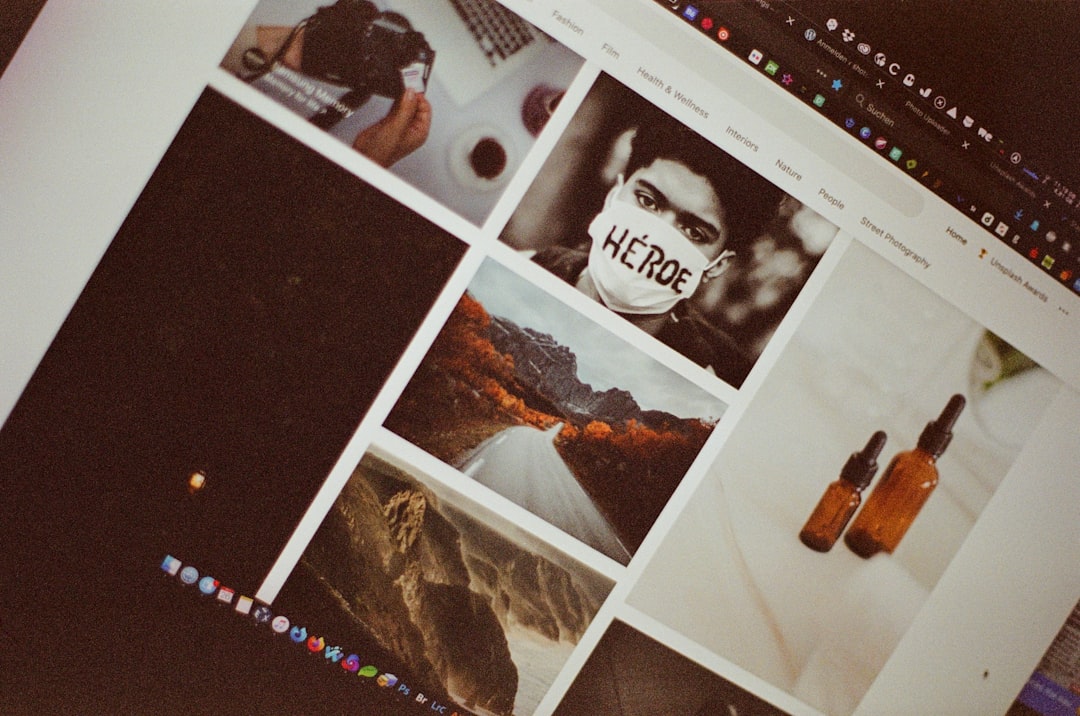
For content teams under constant pressure to publish, this speed matters. Blog headers, social media images, product concept visuals, presentation graphics, and advertising drafts can be produced faster. In many cases, AI becomes a creative assistant that helps compress the early exploratory stage of a project.
How AI Image Generators Support Design Workflows
AI image tools are most valuable when they are integrated into a disciplined workflow rather than used as a shortcut. Professional designers often use them at specific points in the process, especially when rapid ideation is needed.
Common uses include:
- Concept development: Designers can generate a wide range of visual directions before selecting the strongest ideas for refinement.
- Mood boards: AI can help create atmosphere, color palettes, lighting references, and stylistic inspiration for a project.
- Advertising drafts: Marketing teams can test visual approaches before investing in full production.
- Social media assets: Content creators can produce platform-specific visuals quickly, especially for recurring campaigns.
- Storyboarding: Video producers and creative directors can visualize scenes, compositions, and settings before production begins.
- Product visualization: Early-stage product ideas can be illustrated before prototypes or photography are available.
These applications show that AI image generation is not limited to making finished artwork. In many professional settings, its greatest value is in visual thinking. It helps teams see options, compare approaches, and make decisions earlier in the creative process.
Why Speed Is Only Part of the Story
The most obvious advantage of AI image generators is speed, but focusing only on speed understates their broader impact. These tools also encourage experimentation. When the cost of generating a visual variation is low, teams can explore more ideas without committing to a single direction too early.
For example, a brand team planning a seasonal campaign may want to compare several visual moods: elegant, playful, futuristic, natural, or minimalist. Traditionally, each direction could require separate sketches, stock searches, or custom illustration work. With AI assistance, the team can generate rough visual samples for each direction and discuss them in a more concrete way.
This can lead to better creative decisions because stakeholders are not relying only on verbal descriptions. They can react to actual images, which reduces ambiguity and improves communication. However, this also creates a risk: teams may mistake a visually impressive draft for a strategically sound design. A beautiful image is not automatically effective. It must still support the brand, message, audience, and business objective.
The Changing Role of the Graphic Designer
AI image generation is changing the role of graphic designers, but it is not eliminating the need for them. In fact, it may increase the importance of experienced designers who can evaluate, guide, and refine AI outputs.
A strong designer brings skills that AI tools do not reliably provide on their own:
- Brand consistency: Understanding how colors, typography, imagery, and layout support a brand identity.
- Composition and hierarchy: Knowing how to direct attention and organize visual information effectively.
- Audience awareness: Designing for specific demographics, cultures, expectations, and contexts.
- Critical judgment: Identifying when an image looks polished but fails strategically.
- Technical finishing: Preparing assets for print, web, mobile, advertising platforms, and accessibility requirements.
Designers are increasingly becoming creative directors of machine-assisted production. They write prompts, select outputs, combine elements, edit imperfections, adjust layouts, and ensure that the final work meets professional standards. Prompting is part of the process, but it is not the entire skill set. The real value lies in knowing what to ask for, what to reject, and how to improve what the system produces.
Impact on Content Creation
Content creation has become highly visual. Articles, newsletters, videos, podcasts, online courses, advertisements, and social posts all benefit from compelling imagery. AI image generators are helping content creators produce visuals when budgets, timelines, or access to photography are limited.
For independent creators and small businesses, this can be especially significant. A small team may not have the resources to commission custom illustrations for every blog post or campaign. AI-generated imagery can provide a more flexible alternative to generic stock photos, allowing visuals to be more closely aligned with the topic, tone, and audience.
For larger organizations, AI can help scale production. A media team may need dozens of images for different markets, formats, and platforms. AI tools can support localization, personalization, and rapid testing. For example, a campaign image might be adapted to different seasonal themes, cultural contexts, or audience segments.
Still, quality control is essential. AI-generated images may contain visual errors, unnatural details, distorted hands, inconsistent lighting, inaccurate objects, or confusing symbolism. These problems can damage credibility if they are not corrected. Serious content teams treat AI images as drafts or components, not as automatically publishable final assets.
Benefits for Businesses and Creative Teams
When used responsibly, AI image generators can offer several practical benefits:
- Lower production barriers: Teams can create visual prototypes without immediately hiring photographers, illustrators, or production crews.
- Faster campaign testing: Marketers can compare multiple visual concepts before choosing the strongest direction.
- Greater personalization: Visuals can be adapted for different audiences, industries, regions, or platforms.
- Improved brainstorming: AI can help overcome creative blocks by presenting unexpected visual combinations.
- More efficient collaboration: Stakeholders can review concrete concepts earlier in the process.
These benefits are particularly valuable in fast-moving industries where content demand is high. However, they do not remove the need for planning. AI image generation works best when it is connected to a clear brief, defined audience, and measurable objective.
Risks, Ethics, and Legal Concerns
The rise of AI image generation also raises serious concerns. Trustworthy use requires attention to ethics, legality, and transparency. One of the most debated issues is copyright. AI models are often trained on large image datasets, and questions remain about whether copyrighted works were included and how output ownership should be treated in different jurisdictions.
Businesses using AI-generated images should not assume that every output is risk-free. They should review the terms of the tools they use, consider legal guidance when commercial use is significant, and avoid generating images that imitate living artists, protected characters, identifiable brands, or copyrighted styles too closely.
There are also issues of authenticity and misinformation. AI images can create realistic scenes that never happened. In journalism, education, healthcare, politics, and public communication, this can be dangerous if images are presented without context. Responsible creators should label or disclose AI-generated visuals when transparency is important to audience trust.
Bias is another concern. AI systems can reproduce stereotypes present in training data. If prompts are vague, generated images may default to narrow or biased representations of gender, race, age, profession, or culture. Designers and content creators must actively review outputs to ensure that visual communication is inclusive and accurate.
What AI Still Cannot Do Well
Despite rapid progress, AI image generators have limitations. They may struggle with precise typography, exact brand guidelines, detailed product accuracy, technical diagrams, complex layouts, and consistent characters across multiple scenes. They can produce visually attractive images that fail basic design requirements.
For example, a brand advertisement must often include accurate logos, specific colors, readable text, correct product proportions, legal disclaimers, and platform specifications. AI tools may help develop the visual atmosphere, but final production usually requires design software and professional editing.
This distinction is important. AI can generate images, but graphic design is broader than image creation. Design involves problem-solving, communication, hierarchy, usability, consistency, and context. A strong visual is only one part of an effective design system.

How Professionals Can Use AI Responsibly
Organizations that want to use AI image generation seriously should develop clear standards. A responsible approach protects brand reputation and improves creative quality.
Recommended practices include:
- Start with a written brief: Define the audience, message, tone, format, and intended use before generating images.
- Maintain human review: Have designers, editors, or brand managers evaluate all outputs before publication.
- Check for errors: Look carefully for distorted objects, inaccurate details, misleading elements, and cultural insensitivity.
- Respect intellectual property: Avoid prompts that request direct imitation of specific artists, brands, or copyrighted works.
- Document usage: Keep records of tools, prompts, revisions, and licenses when images are used commercially.
- Be transparent when needed: Disclose AI-generated visuals in contexts where authenticity matters.
These practices help position AI as a professional tool rather than an uncontrolled source of content. The goal should be to improve creativity and efficiency without compromising trust.
The Future of AI in Design and Content Creation
The future of AI image generation will likely involve deeper integration with design platforms, marketing systems, and content workflows. Instead of being separate tools, image generators may become embedded features inside broader creative software. Designers may generate, edit, extend, resize, and adapt visuals without leaving their primary workspace.
We can also expect improvements in consistency, control, and accuracy. Future tools may make it easier to preserve brand styles, maintain the same character across multiple images, generate editable layers, and follow strict layout instructions. This will make AI more useful for production work, not just concept creation.
At the same time, the value of human creativity will remain central. As image generation becomes more accessible, the market may be flooded with average-looking visuals. What will stand out is not merely the ability to create images quickly, but the ability to create images with purpose, originality, and strategic relevance.
Conclusion
AI image generators are changing graphic design and content creation by making visual exploration faster, more accessible, and more flexible. They help teams brainstorm, prototype, personalize, and scale content production. For many creators, they reduce practical barriers and open new possibilities for visual storytelling.
However, their most effective use depends on human expertise. Designers and content professionals must guide the tools, evaluate results, correct weaknesses, and ensure that every image serves a meaningful purpose. The future of design is not simply automated; it is increasingly collaborative, with humans and AI working together. Organizations that combine AI efficiency with ethical standards, creative discipline, and professional judgment will be best positioned to benefit from this transformation.