

Alphabet-based logos have always carried a special kind of visual power. A single letter, a pair of initials, or a carefully arranged wordmark can communicate identity with clarity, elegance, and memorability. In typography-based logo design, letters are not simply carriers of language; they become shapes, symbols, and emotional cues that help a brand stand apart. For designers, an alphabets logo offers a flexible creative playground where form, spacing, proportion, and personality all work together.
TLDR: An alphabets logo uses letters, initials, or custom typography as the main visual identity of a brand. It can feel minimal, luxurious, playful, modern, or traditional depending on the type style and layout. Strong alphabet logo design depends on readability, proportion, uniqueness, and smart use of negative space. When crafted well, typography becomes both a name and a memorable symbol.
The Appeal of Alphabet Logo Design
An alphabets logo is effective because it reduces a brand identity to its most essential form: the letter. Instead of relying on a complex illustration or abstract icon, it uses typography to create recognition. This can be especially valuable for companies with long names, personal brands, fashion labels, law firms, technology startups, restaurants, and creative studios.
One reason alphabet logos remain popular is their versatility. A strong letterform can appear on business cards, signage, packaging, social media icons, app buttons, product labels, and website headers. It can be scaled down to a tiny favicon or enlarged on a storefront without losing its impact.
Another advantage is timelessness. While illustration trends can change quickly, well-designed typography often remains relevant for years. Classic serif initials, clean sans serif monograms, and elegant script letters can all create a lasting impression when designed with intention.
What Makes a Typography-Based Logo Successful?
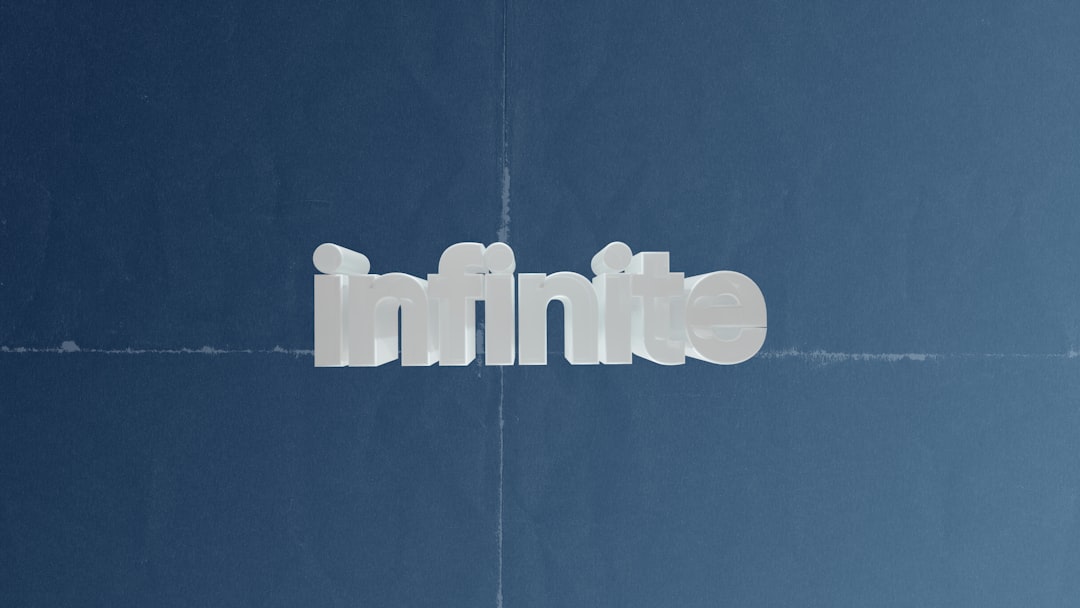
A strong alphabet logo does more than display a letter. It interprets the brand’s personality through visual choices. The designer considers how thick the strokes should be, whether the edges feel sharp or rounded, how much space should exist between characters, and how the letterform behaves as a symbol.
Successful typography-based logos usually share several qualities:
- Readability: The letter or word should be recognizable, even if it has been customized.
- Distinctiveness: The design should avoid looking like a default font typed into a document.
- Balance: The composition should feel visually stable, whether symmetrical or intentionally dynamic.
- Scalability: The logo should remain clear at both small and large sizes.
- Relevance: The typography should match the tone, values, and audience of the brand.
For example, a luxury jewelry brand may benefit from refined serif initials with delicate spacing, while a children’s education brand may use rounded, colorful letterforms. A cybersecurity firm may choose bold geometric typography to communicate protection and precision. In every case, the alphabet becomes a visual voice.
Monograms: The Classic Alphabet Logo Format
Monograms are among the most recognizable forms of alphabet logo design. They typically combine one, two, or three initials into a compact symbol. Their appeal lies in their ability to make even a simple set of letters feel exclusive and refined.
Many fashion houses, hospitality brands, architecture studios, and personal brands use monograms because they feel established and premium. A monogram can be interlocked, stacked, mirrored, enclosed in a shape, or arranged with decorative flourishes. The challenge is to make the initials feel unified rather than forced together.
A designer may overlap letters to create a single cohesive mark, but the result should still remain legible. Negative space is especially important in monograms. When used well, it can form hidden shapes, create rhythm, and prevent the design from feeling crowded.
Serif Alphabet Logos
Serif typography includes small strokes or extensions at the ends of letterforms. These details often create a sense of tradition, refinement, authority, and sophistication. For brands that want to appear trustworthy, elegant, academic, or luxurious, serif alphabet logos can be highly effective.
A serif lettermark may feel editorial and polished, especially when paired with generous spacing. Thin serifs can suggest delicacy and exclusivity, while bold slab serifs can feel strong, confident, and grounded. The personality of a serif logo depends heavily on contrast, curvature, and proportion.
Inspiration for serif alphabet logos often comes from publishing, high fashion, law, wine labels, boutique hotels, and cultural institutions. These industries commonly use typography to create a sense of heritage and credibility.
Sans Serif Alphabet Logos
Sans serif logos remove decorative strokes and rely on clean, simplified shapes. They are often associated with modernity, technology, efficiency, and clarity. A sans serif alphabet logo can look minimal and professional, making it suitable for digital-first brands and contemporary businesses.
Geometric sans serif letters use circles, straight lines, and precise angles to create a structured appearance. Humanist sans serifs, by contrast, have warmer proportions and subtle calligraphic influence. Both styles can work well for alphabet logos, depending on whether the brand needs to feel futuristic, approachable, corporate, or creative.
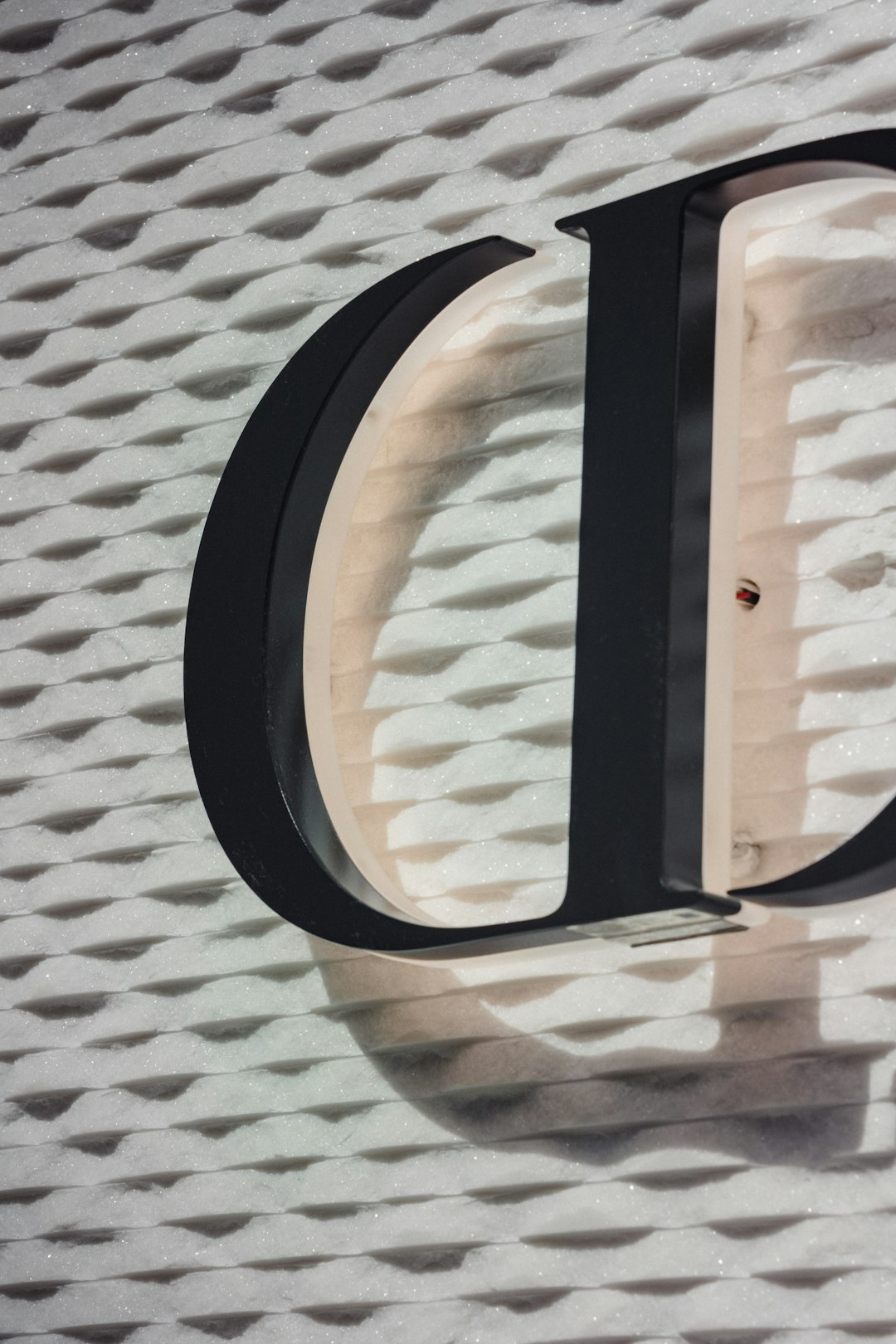
Because sans serif designs can sometimes appear generic, customization is essential. A designer might modify a letter’s cut, alter its crossbar, add a distinctive curve, or build a custom ligature. Even a small change can transform a simple letter into a recognizable brand asset.
Script and Handwritten Alphabet Logos
Script alphabet logos bring personality, movement, and emotion. They can feel elegant, romantic, casual, artistic, or handcrafted. A script lettermark may be especially useful for bakeries, salons, photographers, wedding brands, lifestyle products, and boutique businesses.
However, script typography requires careful handling. Overly decorative letters can lose readability, especially at small sizes. A successful script alphabet logo balances beauty with clarity. The curves should flow naturally, and the spacing between strokes should remain open enough to prevent visual confusion.
Handwritten alphabet logos can also make a brand feel more personal. They suggest authenticity and individuality, which can be powerful for creators, consultants, and small businesses. The key is to avoid styles that appear unpolished unless that roughness is intentional and aligned with the brand identity.
Using Negative Space in Letter Logos
Negative space is one of the most exciting tools in typography-based logo design. It allows a designer to place hidden meaning inside the letterform without adding extra elements. A letter “A” might contain a mountain peak, a letter “B” might suggest a butterfly, or a letter “O” might become a lens, globe, or doorway.
This approach works best when the hidden element feels natural rather than forced. The goal is not to overload the logo with cleverness but to create an additional layer of meaning. When negative space is subtle and well constructed, viewers experience a small moment of discovery, which can make the logo more memorable.
Color Choices for Alphabet Logos
Although typography is the foundation of an alphabets logo, color strongly affects perception. Black and white logos often feel timeless, premium, and adaptable. Gold, deep navy, burgundy, and forest green can suggest elegance and stability. Bright colors may communicate energy, creativity, and friendliness.
For many typography-based logos, the shape should work in one color before additional colors are introduced. If a logo depends entirely on gradients or effects to function, it may not be strong enough as a core identity. A well-designed alphabet mark should remain recognizable in black, white, and monochrome applications.
Color can also be used strategically within a letterform. A single accent color on a dot, stroke, or internal shape can draw attention to a unique feature. Still, restraint is often valuable. Typography-based logos usually benefit from a clean and controlled palette.
Composition and Layout Ideas
Alphabet logos can be arranged in many ways, and the layout determines how the viewer reads the brand. A single-letter mark feels bold and iconic. A two-letter monogram can represent partnership, initials, or abbreviation. A full typographic wordmark presents the brand name directly while still allowing for custom letter treatments.
Common composition styles include:
- Standalone initial: A single customized letter used as the primary brand symbol.
- Interlocking initials: Two or more letters woven together into one unified mark.
- Stacked letters: Initials arranged vertically for a compact, architectural appearance.
- Enclosed lettermark: Typography placed inside a circle, square, shield, or badge.
- Custom wordmark: The full brand name designed with unique letter modifications.
The best layout depends on where the logo will appear most often. A social media profile may require a compact initial, while storefront signage may benefit from a horizontal wordmark. A complete identity system may include both versions: a full wordmark and a smaller alphabet icon.
Image not found in postmetaCommon Mistakes to Avoid
Even though alphabet logos appear simple, they can be difficult to design well. One common mistake is relying too heavily on an unmodified font. A typeface can be a starting point, but a logo usually needs customization to become ownable.
Another mistake is sacrificing readability for style. If viewers cannot identify the letter or brand name, the logo may fail in practical use. Excessive flourishes, awkward overlaps, and extreme distortion can weaken the design.
Poor spacing is also a frequent issue. In typography, spacing can be as important as the letterforms themselves. Uneven kerning, cramped initials, or unbalanced margins can make a logo feel amateur. Professional alphabet logo design requires close attention to optical balance, not just mathematical alignment.
Finding Inspiration Without Copying
Designers often study existing alphabet logos to understand what works. Inspiration may come from vintage signage, editorial typography, architectural lettering, calligraphy, packaging, book covers, or cultural symbols. However, inspiration should never become imitation.
A responsible design process begins with research, sketching, and exploration. Designers may create dozens of letter variations before selecting the strongest direction. They examine the brand’s values, audience, competitors, and future applications. The final logo should feel connected to the brand’s story rather than merely following a visual trend.
Typography-based inspiration is most useful when it helps a designer notice possibilities: how a curve can become a symbol, how a letter pair can interlock, or how a small spacing adjustment can change the mood. The goal is to create a logo that feels both familiar enough to understand and unique enough to remember.
Why Alphabet Logos Remain Timeless
Alphabet logos endure because they combine simplicity with identity. Letters are universal tools of communication, yet they offer endless opportunities for creative interpretation. A well-crafted alphabet logo can be minimal or ornate, serious or playful, traditional or futuristic.
For brands seeking a strong and adaptable identity, typography-based logo design provides a powerful foundation. It can transform initials into a symbol, a name into a visual experience, and a simple letter into a lasting brand signature. When every curve, stroke, and space is considered carefully, the alphabet becomes more than text; it becomes design.
FAQ
What is an alphabets logo?
An alphabets logo is a logo that uses letters, initials, or custom typography as its main design element. It may appear as a single letter, a monogram, or a full wordmark.
Which businesses should use typography-based logos?
Typography-based logos work well for many industries, including fashion, law, technology, hospitality, beauty, consulting, publishing, and personal branding. They are especially useful when a brand wants clarity and recognition.
Is a monogram the same as an alphabet logo?
A monogram is one type of alphabet logo. It usually combines initials into a compact mark, while an alphabet logo can also include single letters or full typographic wordmarks.
What makes an alphabet logo look professional?
A professional alphabet logo usually has strong readability, balanced spacing, a distinctive letterform, appropriate typography, and scalability across different media.
Should an alphabet logo use a custom font?
It does not always need a fully custom font, but it should include some customization. Modified letterforms help the logo feel unique and prevent it from looking generic.
Can an alphabet logo include symbols?
Yes. Symbols can be included, especially through negative space or subtle integration. However, the symbol should support the typography rather than distract from it.