
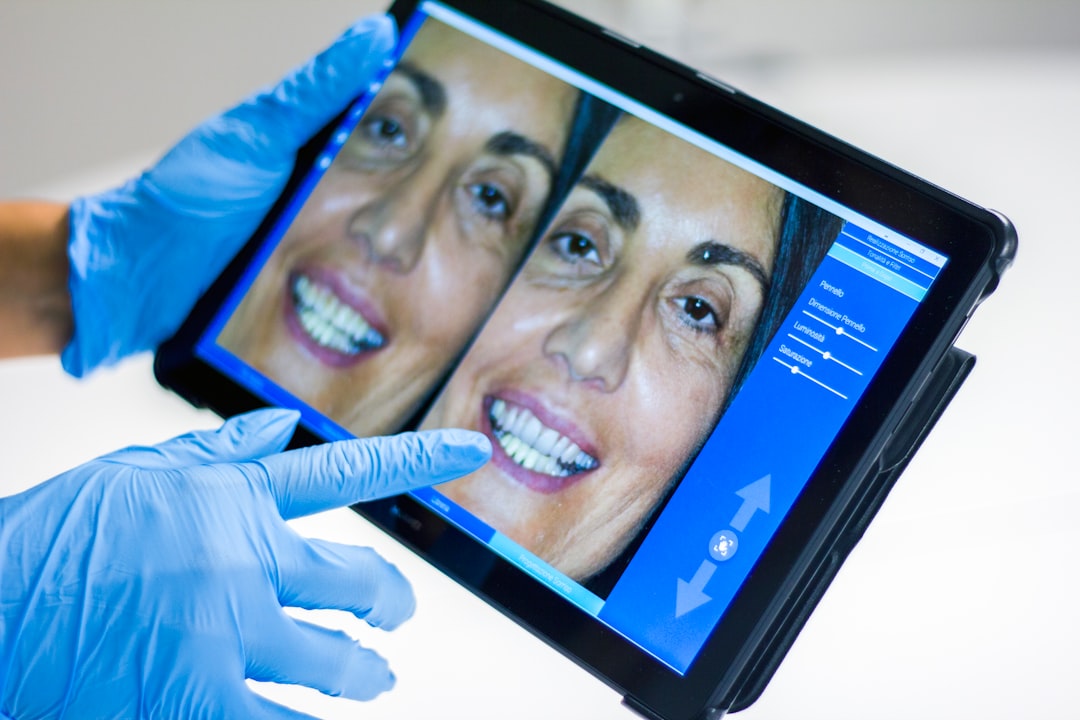

Facial recognition technology has advanced rapidly over the past decade, reaching an entirely new level of precision, accessibility, and practical application in 2026. From identifying lost individuals to verifying social media images, face search engines have become powerful tools used by both individuals and organizations. But with so many options available today, how do you know which ones truly perform?
TL;DR
If you’re looking for reliable and effective face search engines in 2026, this ranked list of 17 top platforms provides a comprehensive breakdown. From industry leaders like PimEyes and FaceCheck.ID to lesser-known, AI-powered gems like PixVu and SentryLook, these tools have been tested for accuracy, database size, and usability. Whether you’re verifying online profiles, tracking identity matches, or conducting OSINT investigations, this guide will save you time and frustration. We also detail each tool’s pros, cons, and ideal use case.
1. PimEyes
PimEyes remains at the forefront of facial recognition search technology. This tool is renowned for scanning billions of indexed images across the internet and finding high-probability photo matches within seconds.
- Pros: Extremely accurate, updates weekly, paid option with more advanced features
- Cons: Limited free searches; might flag unrelated images
- Best for: Professional fingerprinting, online reputation monitoring
2. FaceCheck.ID
This privacy-conscious engine is one of the most respected tools in OSINT circles. FaceCheck.ID is particularly good at finding matches across social media and smaller network websites.
- Pros: Fast results, clear match confidence, anonymous search options
- Cons: Slightly lower accuracy in older photo sets
- Best for: Investigative journalists, ethical hackers
3. Clearview AI
Clearview AI is widely known for its massive photo database scraped from public databases and social platforms. While it’s restricted from public access, partnerships with law enforcement make it relevant in 2026.
- Pros: Enormous dataset, high match rates in law enforcement applications
- Cons: Limited to authorized users, privacy concerns
- Best for: Law enforcement agencies, government investigations
4. Search4Faces
A growing open-source tool that emphasizes transparency. Search4Faces allows users to index their own collections or use shared databases, ideal for niche projects.
- Pros: Customizability, open codebase for developers
- Cons: Limited mainstream adoption
- Best for: Tech-savvy users, hobbyist developers
5. SocialMapper
SocialMapper is a powerful facial search tool that links facial data points to social media activity using deep learning. It can also be integrated into reconnaissance tools.
- Pros: Integrated search across Facebook, LinkedIn, and Instagram
- Cons: Requires a GPU for full local processing
- Best for: Cybersecurity analysts, social engineering research
6. SentryLook
New in 2024 and now a top-tier solution in 2026, SentryLook offers real-time alerts when a facial match appears online. It has quickly gained a following among celebrities and influencers.
- Pros: Custom alerts, real-time face tracking
- Cons: Subscription-based with high-tier pricing
- Best for: Public personalities, brand protection
7. PixVu
PixVu excels at finding cross-location image matches − for example, similar-looking images in alternate contexts or locations. It uses cognitive AI to identify face matches from alternate angles and quality levels.
- Pros: AI-enhanced match findings, excellent smartphone compatibility
- Cons: Can produce false positives on similar-looking faces
- Best for: Cross-referencing travel photos or celebrity lookalikes
8. Betaface
Betaface offers detailed facial analysis including gender guess, age estimation, and emotional state detection, making it ideal for psychology and analytics research.
- Pros: Highly detailed visual data
- Cons: Less emphasis on social search
- Best for: Academic projects, face analytics
9. IntelFinder
This engine specializes in reverse image searches on dark web archives, forums, and private online communities.
- Pros: Deep searches beyond indexed Google content
- Cons: Requires login and subscription; slower performance
- Best for: OSINT professionals, forensic analysts
10. Pictriev
Pictriev uniquely blends face search with celebrity recognition, offering comparisons and style simulations for uploaded images.
- Pros: Fun and lightweight, popular with younger users
- Cons: Less reliable for professional use
- Best for: Entertainment, social media comparisons
11. Yandex Images
The Russian search giant’s reverse image feature works well on faces, particularly in Eastern European and Asian databases.
- Pros: Broad non-Western indexing
- Cons: Interface not optimized for facial patterns
- Best for: Multiregional face identification
12. Google Reverse Image Search
It may not specialize in face detection, but Google’s tool remains a decent baseline for surface-level facial matches, especially in news images and blogs.
- Pros: Simple to use, integrates with Chrome
- Cons: Not designed specifically for facial recognition
- Best for: Quick checks for image origin
13. TinEye
TinEye, a veteran in online search, recently added AI facial filters to better detect faces in artistic or edited photos.
- Pros: Works well with stylized images and memes
- Cons: Very few live faces; older results
- Best for: Designers, meme tracers
14. FindClone
Primarily used in Russia, this service lets users find VK profiles using facial recognition. It’s highly accurate but geo-limited.
- Pros: Excellent results within its base
- Cons: Language and region locked
- Best for: VK investigation, Russian region research
15. TrueFace
This B2B platform is increasingly used by private firms to screen job applicants and enhance security.
- Pros: Enterprise-grade tools, very secure
- Cons: Not accessible to individuals
- Best for: Corporate surveillance and HR verification
16. Animetrics
Animetrics is heavily used in 3D facial reconstruction. It may not be a regular face search engine but is vital in modeling and forensics.
- Pros: Precise angle detection, full face rotation models
- Cons: Not suited for fast search
- Best for: Forensic reconstruction, modeling agencies
17. NeoFace
Developed by NEC, <