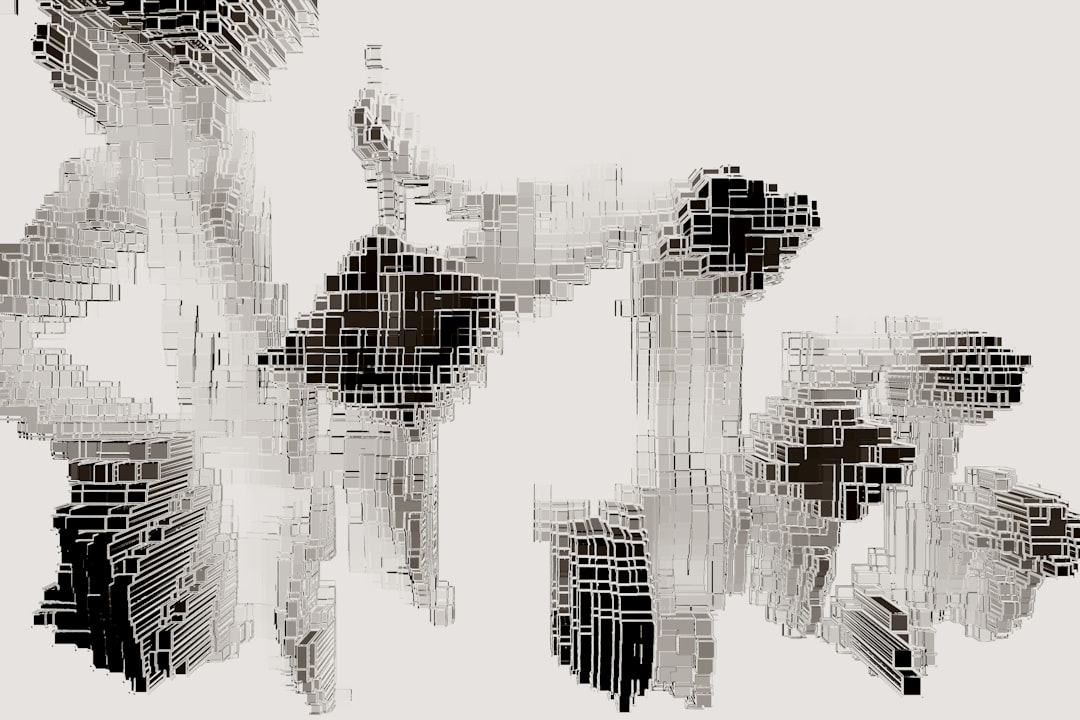

In a world increasingly shaped by algorithms and data, artificial intelligence (AI) has emerged as a transformative force—not just in business and science, but in creative expression. From digital painting and photo manipulation to video editing and 3D modeling, AI-powered tools are enabling artists, designers, and everyday users to push the boundaries of what’s visually possible.
TL;DR (Too Long; Didn’t Read)
AI-based creative tools are revolutionizing the way people produce and interact with visual content. These platforms offer cutting-edge functionalities like style transfer, automatic image generation, smart editing, and personalized visual experiences. They are not only enhancing productivity but also expanding creative horizons for both professionals and hobbyists. Whether it’s generating stunning artwork or enhancing photography, AI is making visual creativity more accessible than ever.
The Rise of AI in Visual Arts
Artificial intelligence was once seen as the domain of coders and analysts, but today it’s becoming a pivotal part of the creative toolkit. The surge of advanced algorithms, especially those based on deep learning and generative models, has enabled machines to mimic—sometimes even surpass—human artistic abilities.
AI in visual content creation is driven primarily by advances in:
- Generative Adversarial Networks (GANs) – algorithms that can generate realistic images from simple inputs.
- Natural Language Processing (NLP) – allows users to describe images with words, which AI then visualizes.
- Computer Vision – lets machines recognize, analyze, and manipulate visual data.
This powerful mix creates a space where creativity meets computational efficiency.
Top AI-Based Tools for Visual Creativity
Below are some standout AI tools helping creators around the globe design, illustrate, and imagine visual works like never before:
1. DALL·E: Text-to-Image Generator
Created by OpenAI, DALL·E has revolutionized text-to-image generation. You type in a description—say, “a cat wearing a suit in a futuristic city”—and it renders a visual interpretation nearly instantly. It’s as fun as it is powerful, used by designers to prototype concepts or simply explore wild ideas.
2. Runway ML: AI Video and Image Editing
Runway ML offers a suite of tools for video, image, and 3D content creators. Its standout features include:
- Green screen effects without a physical green screen
- Style transfer from famous artworks to your photos
- Real-time collaboration across teams
It bridges the gap between experimental art and practical content creation, especially for multimedia creators on a budget.
3. Artbreeder: Creating New Faces and Landscapes
Artbreeder allows users to blend images together using sliders. Want a face that’s 50% Angelina Jolie and 50% Picasso-style artwork? With Artbreeder, it’s as easy as dragging your finger. Artists use it to conceptualize characters, landscapes, and abstract visuals.
4. NVIDIA Canvas: Turn Sketches Into Realistic Landscapes
Tailored for concept artists and game designers, NVIDIA Canvas uses AI to transform basic sketches into realistic imagery. Draw a blue line for water, a few gray shapes for mountains, and suddenly, you have a stunning vista.
5. Deep Dream Generator: Surrealism Through Neural Networks
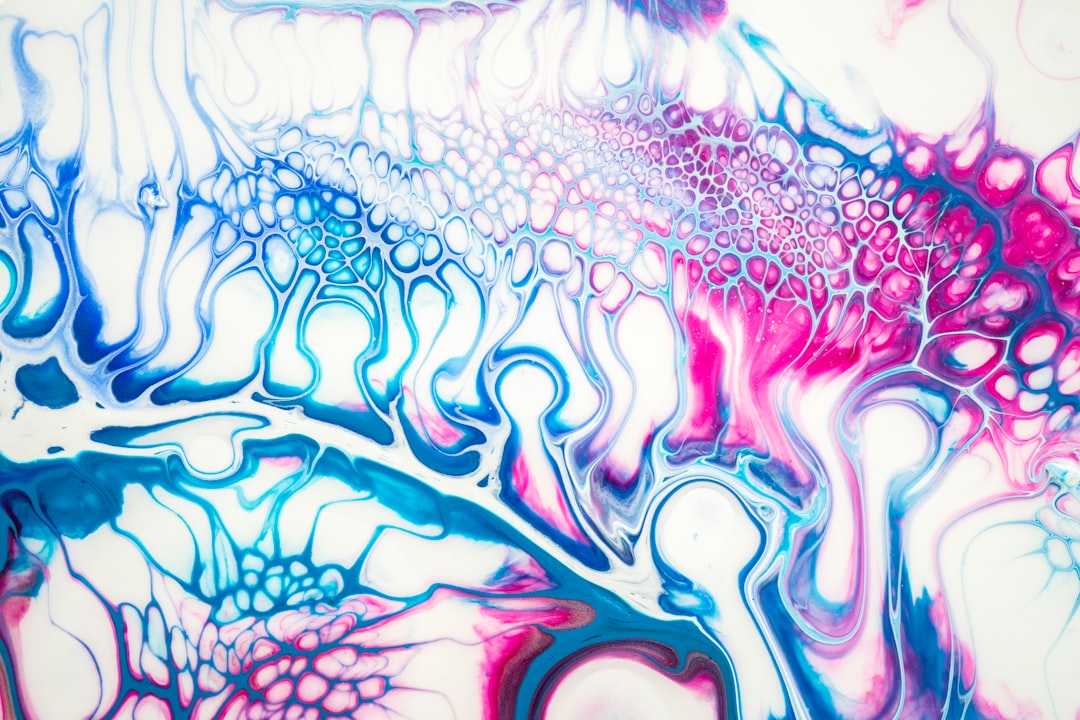
Built off one of Google’s research projects, the Deep Dream Generator uses convolutional neural networks to accentuate patterns in images, often creating surreal and dreamlike effects. It’s especially popular among digital artists exploring psychedelic and abstract visuals.
How AI Is Expanding Artistic Expression
These tools are impressive, but their real power lies in how they alter the creative process:
- Lowering entry barriers: You no longer need to be a trained artist to create compelling visuals. AI helps anyone bring their vision to life.
- Speeding up workflows: From basic photo cleanups to complex 3D renderings, AI tools drastically reduce time spent on repetitive tasks.
- Fostering experimentation: AI enables users to try out creative directions that would have taken days or weeks in manual processes.
This democratization of creativity allows people from all backgrounds to express ideas visually, fueling innovation in everything from fashion to architecture.
Use Cases Across Industries
The power of AI-generated visuals is not limited to independent artists or hobbyists. Various commercial and entertainment sectors are adopting these technologies:
- Marketing and Advertising: AI-driven design tools can generate tailored visuals for individual consumer segments, boosting engagement and relevance in campaigns.
- Education: Teachers and textbook creators use AI-generated illustrations and interactive visuals to explain complex concepts.
- Entertainment: Filmmakers and game developers leverage AI tools for storyboarding, environment creation, and creature design.
- Interior Design: AI-driven apps visualize room designs, furniture layouts, and mood boards based on user preferences.
Challenges and Considerations
As with any transformative technology, AI-based creative tools come with their own set of challenges:
- Copyright and originality: Many platforms train their models on public or copyrighted images, raising ethical concerns about ownership.
- Over-reliance on automation: While AI boosts productivity, it may reduce the incentive to hone traditional artistic skills.
- Quality control: Not every AI output hits the mark. Creators still need to review and refine results.
Addressing these issues is essential as we integrate AI deeper into the creative process.
The Human-AI Collaboration
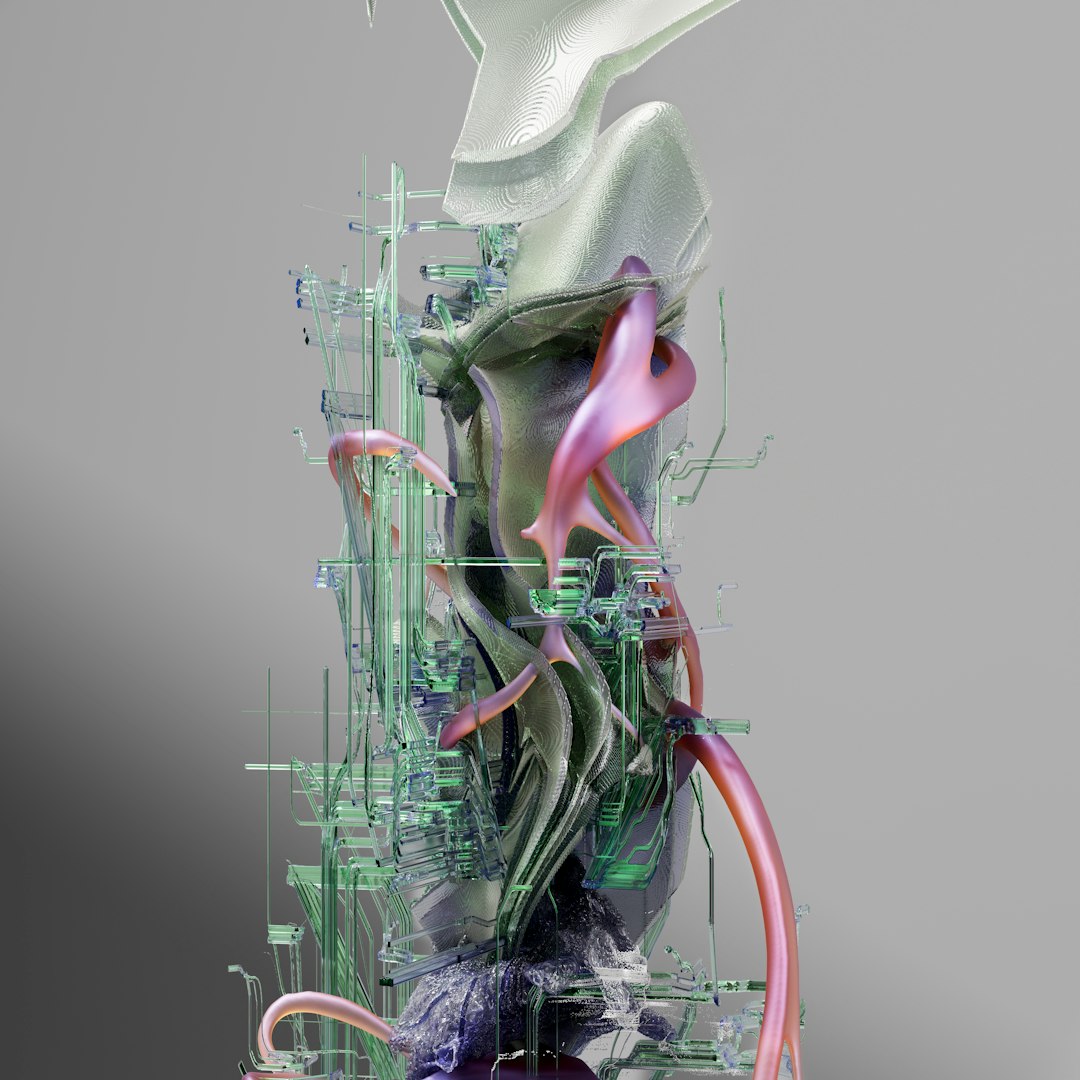
AI should not be seen as a rival to human creativity, but rather a collaborative partner that augments our capabilities. In many workflows, an artist will conceptualize an idea, use AI to generate rough visuals or variants, and then refine the results by hand.
This partnership creates something new—a hybrid art form where software and imagination dance together.
Getting Started with AI Art Tools
If you’re intrigued and want to dip your toes into the world of AI-powered art, here’s how to start:
- Choose a tool: Begin with a user-friendly platform like Canva’s AI features or try more advanced ones like Runway ML or Stable Diffusion.
- Experiment freely: The best way to learn is by doing. Try creating something completely abstract or a twist on familiar styles.
- Join communities: Platforms like Instagram and Discord have active AI-art communities where you can share your work and gain feedback.
And remember—no two artists use AI the same way. Your creative process is yours alone.
Conclusion: The Future of Visual Creativity
As artificial intelligence continues to evolve, it’s opening new creative frontiers across visual media. From speeding up mundane tasks to generating mind-bending art, AI tools are making creativity more accessible, collaborative, and exciting. While debates over authenticity and ownership persist, one thing is clear—the future of visual content will be co-authored by both human hands and machine intelligence.
In this hybrid space, we aren’t replacing human artists—we’re giving them a whole new canvas.