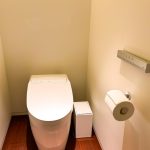
Imagine sitting down on a toilet that plays music, sprays warm water, and greets you. Now imagine another toilet that’s just a hole in the ground. Surprised? Toilets may all aim to do the same thing—but they come in all shapes and styles across the world.
TL;DR (Too Long; Didn’t Read):
- Toilet styles vary widely across cultures due to historical, geographical, and technological influences.
- Some countries prefer squat toilets, while others use sitting toilets with heated seats and even bidets.
- Toilets can reflect deep cultural values—like privacy, hygiene, and convenience.
- There’s no “one best toilet”—just what works best for each place and its people.
The All-American Toilet Seat
In the U.S., toilets have a very specific look. They come with a wide, oval seat and a large water tank in the back. You sit down to do your business, then flush. Done and dusted.
These toilets are designed for comfort. The seats are often padded. Some have slow-closing lids—to avoid that scary slam at night!
One cool feature in some American homes is the bidet attachment. This sprays water to clean you up—like a mini-shower for your bottom!
Japan: Home of the Smart Toilet
Enter Japan. The land of sushi, robots… and some of the world’s most advanced toilets.
Japanese toilets are like spaceships. Features often include:
- Heated seat
- Built-in bidet with adjustable pressure
- Noise-masking music
- Deodorizer
- Automatic lid opening and closing
These toilets are made to give users a five-star bathroom experience. In fact, visitors are often shocked at just how luxurious it feels.
However, not every toilet in Japan is futuristic. Traditional squat toilets still exist, especially in older buildings.
Squat Toilets in Asia, Africa, and the Middle East
In many parts of the world—like India, China, and Middle Eastern countries—you’ll often find squat toilets. No sitting required!
You simply place your feet on either side of the toilet area and squat. It can be a surprise for first-time travelers.
But here’s the twist: Squat toilets are actually believed to be healthier. Squatting aligns your body better, making things move easier.
They’re also easier to clean and use less water. That’s a big win in places where water conservation is key.
European Style and the Bidet Difference
Europe offers a bathroom surprise of its own—the standalone bidet.
After using the toilet, many people in countries like Italy, France, and Spain will hop over to a nearby bidet. It looks like a very low sink. You sit or squat and wash with running water.
It’s all about hygiene. This practice is super common in Southern Europe.
Some modern homes now merge the toilet and bidet into a single smart unit, making life even more convenient.
UK, Canada, and Australia’s Mix of Styles
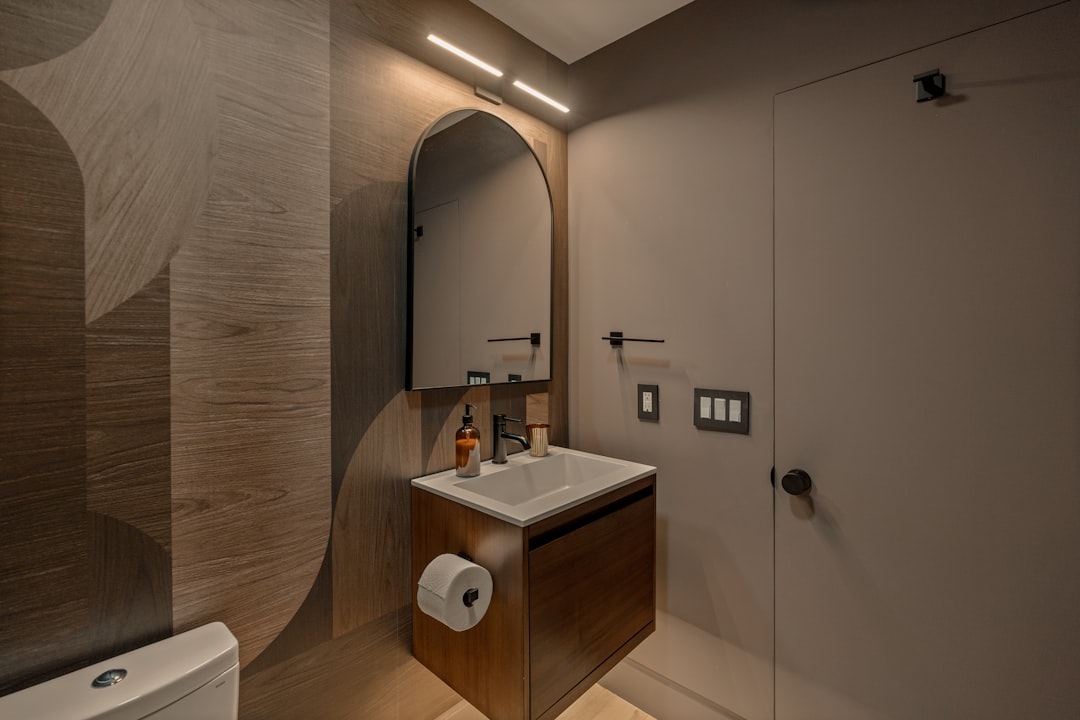
The United Kingdom, Canada, and Australia mostly use toilets similar to those in the U.S.—sit-down models with lids and tanks.
However, one big difference in the UK is the dual-flush system. There are two buttons: one for a small flush, and one for a big flush. This helps save water.
Australia also has this. In fact, Aussies were among the first to really push water-saving toilets due to frequent droughts.
Toilet Etiquette: Hidden Cultural Rules
Besides design, cultural rules around toilet use vary too. Some might seem strange at first.
- In Japan, many public bathrooms play music to hide sounds.
- In India, it’s common to use water and your left hand to clean—never your right!
- In France, public toilets often cost money, and you may have to bring your own tissues.
- In Turkey, it’s polite to leave your shoes outside a toilet area at home.
These tiny details reflect cultural ideas of privacy, modesty, and hygiene.
Toilets in Crisis Zones
In areas without reliable plumbing—like refugee camps or remote villages—toilets are often basic. Many use bio-toilets, pit latrines, or compost toilets.
Designers are coming up with portable solutions that are both low-cost and sanitary. These toilet types may not be fancy—but they save lives and improve dignity.
Design That Reflects Culture
Toilets say a LOT about a culture.
- Luxurious loos suggest a culture of comfort and privacy (like in Japan).
- Water-saving models show concern for the environment (like in Australia).
- Squat toilets may reflect traditions and practical needs (as seen in India and China).
The humble toilet seat is more than a place to sit. It’s a symbol of values, resources, and habits.
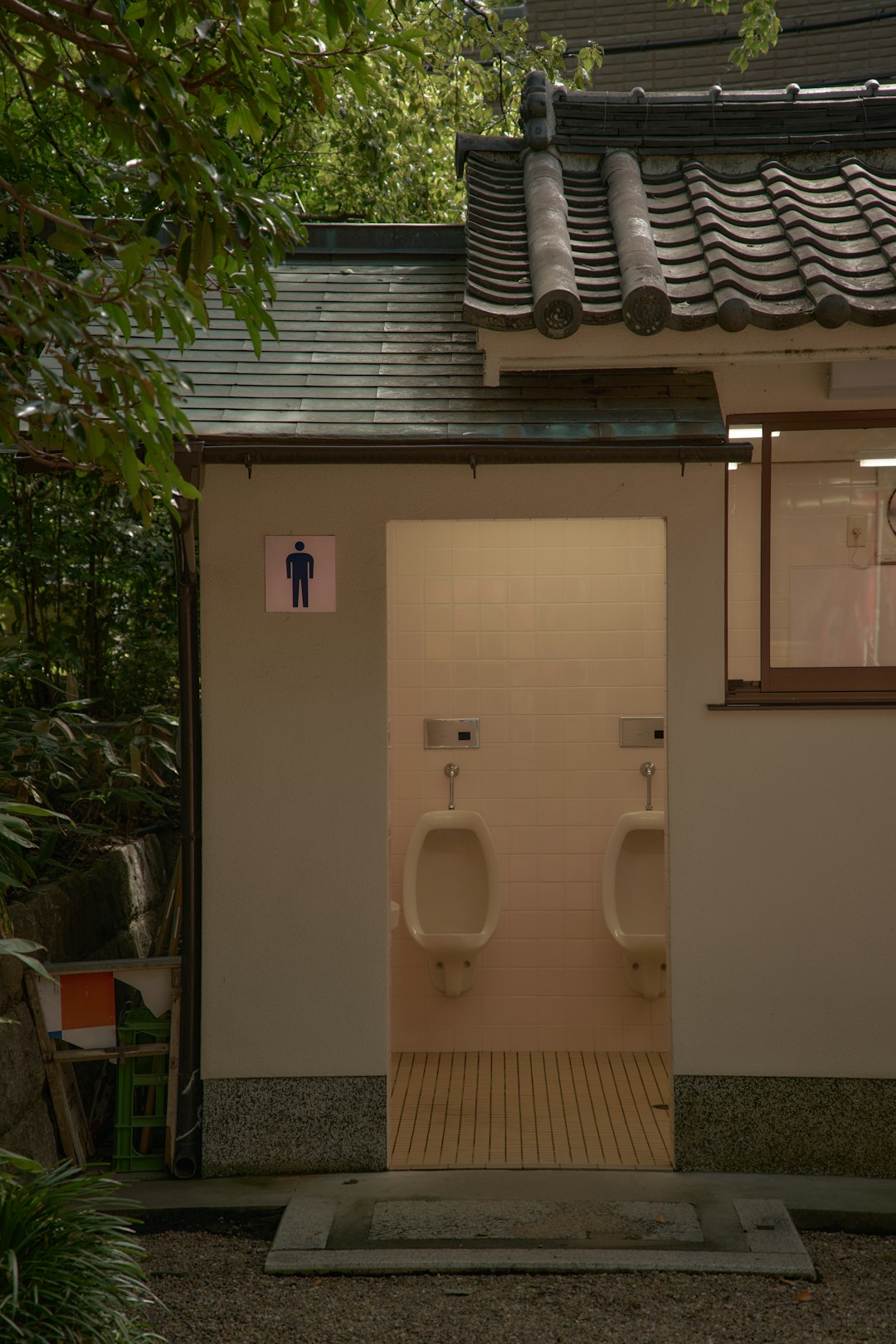
Final Flush: What’s the Best Toilet?
There’s no “perfect” toilet for everyone. The best design depends on your needs, customs, and the local environment.
Love tech? Japan’s got you. Want to be eco-friendly? Get a dual-flush. Prefer tradition? Squat away.
The next time you travel, take a peek at the toilet. It’s not just a porcelain seat—it’s a tiny window into another culture.
Toilets: They’re not just where you go—they tell you where you are.