

Passwords are everywhere. And they are exhausting. We forget them. We reuse them. We write them on sticky notes. That is why biometric authentication is taking over. It turns you into the password. Your face. Your fingerprint. Your voice. Simple. Fast. And much harder to steal.
TLDR: Biometric authentication uses your unique physical or behavioral traits to verify your identity. It is faster and more secure than traditional passwords. Tools today go far beyond fingerprints and include face, voice, iris, and even behavior tracking. These eight advanced tools are leading the way in stronger, smarter identity verification.
Let’s explore eight powerful biometric authentication tools that are changing how we prove who we are.
1. Fingerprint Recognition Systems
This is the classic. And it still works great.
Fingerprint recognition scans the tiny ridges and patterns on your finger. No two fingerprints are the same. Not even identical twins share them.
It is popular because it is:
- Fast
- Accurate
- Affordable
- Easy to install
You already use it on your phone. Many laptops use it too. Banks love it. Offices use it for building access.
Advanced fingerprint tools now detect:
- Blood flow under the skin
- Skin conductivity
- Temperature differences
This prevents criminals from using fake silicone fingers. Yes, people have tried that.
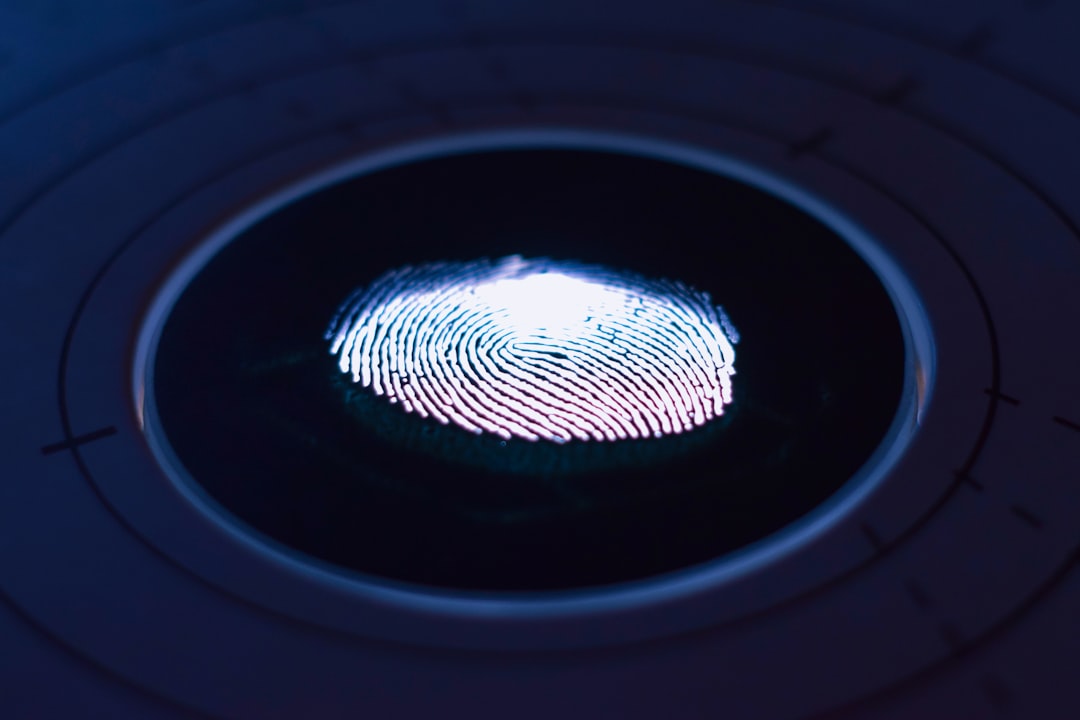
Fingerprint authentication is reliable. But it is not perfect. Dirty hands or cuts can cause trouble. Still, it remains one of the most trusted biometric tools today.
2. Facial Recognition Technology
Your face is your ID card.
Facial recognition maps key points on your face. The distance between your eyes. The shape of your jaw. The curve of your nose.
Some systems track over 80 unique facial markers.
What makes advanced systems special?
- 3D depth sensing
- Infrared scanning
- Liveness detection
Liveness detection ensures you are a real person. Not a photo. Not a video. Not a mask.
Modern facial recognition works in low light. It works with glasses. Some can even recognize you with a mask on.
Airports use it for boarding. Smartphones use it for unlocking. Governments use it for border control.
It feels simple. Just look at the camera. Done.
But behind the scenes, advanced AI is working very hard.
3. Iris Recognition Scanners
Your iris is the colored part of your eye. It holds complex patterns. These patterns form randomly. That makes them extremely unique.
Iris recognition is often more accurate than fingerprints.
Why?
- The iris is protected behind the cornea.
- It does not wear out like fingerprints.
- It changes very little over a lifetime.
High-security areas love iris scanners. Think military buildings. Research labs. Secure data centers.
Advanced tools use near infrared light to capture detailed iris images. They work even if a person wears contact lenses.
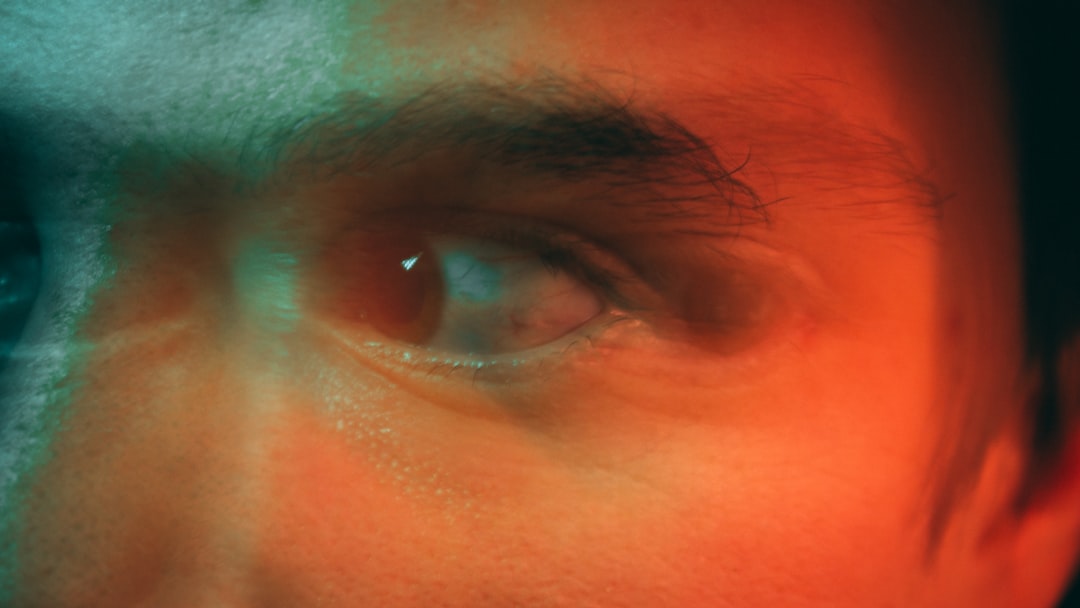
The downside? It can feel intrusive. Some users do not like a camera scanning their eye up close. But from a security point of view, it is extremely powerful.
4. Voice Recognition Authentication
Your voice is more than sound. It carries patterns.
Voice biometric tools analyze:
- Pitch
- Tone
- Speech rhythm
- Accent patterns
- Breathing behavior
That combination creates a vocal fingerprint.
Advanced systems do not just listen to what you say. They analyze how you say it.
This is widely used in:
- Bank call centers
- Customer support lines
- Remote identity verification
Instead of answering security questions, you just speak naturally.
Modern tools also detect playback attacks. If someone tries to use a recording of your voice, the system can detect unnatural frequency patterns.
It feels smooth. It feels human. And it saves time.
5. Behavioral Biometrics
This one is fascinating.
Behavioral biometrics does not look at your body. It looks at your behavior.
How you type. How you swipe. How you move your mouse.
No two people interact with devices the same way.
Advanced systems track:
- Typing speed
- Key pressure
- Mouse movement patterns
- Screen swipe rhythm
- Device handling angle
And the best part? It works silently in the background.
No extra steps for the user.
If someone steals your login details, behavioral biometrics can detect unusual behavior instantly.
For example:
- You usually type quickly.
- A hacker types slowly and carefully.
- The system flags the session as suspicious.
This tool is powerful for fraud prevention. Especially in online banking and ecommerce.
6. Palm Vein Recognition
This sounds futuristic. But it is real and very effective.
Palm vein recognition scans the vein patterns inside your hand.
These vein patterns are:
- Invisible to the naked eye
- Unique to each person
- Extremely difficult to replicate
The system uses infrared light to map the veins under your skin.
Because veins are inside your body, this method is hard to fake. Fake hands will not have flowing blood.
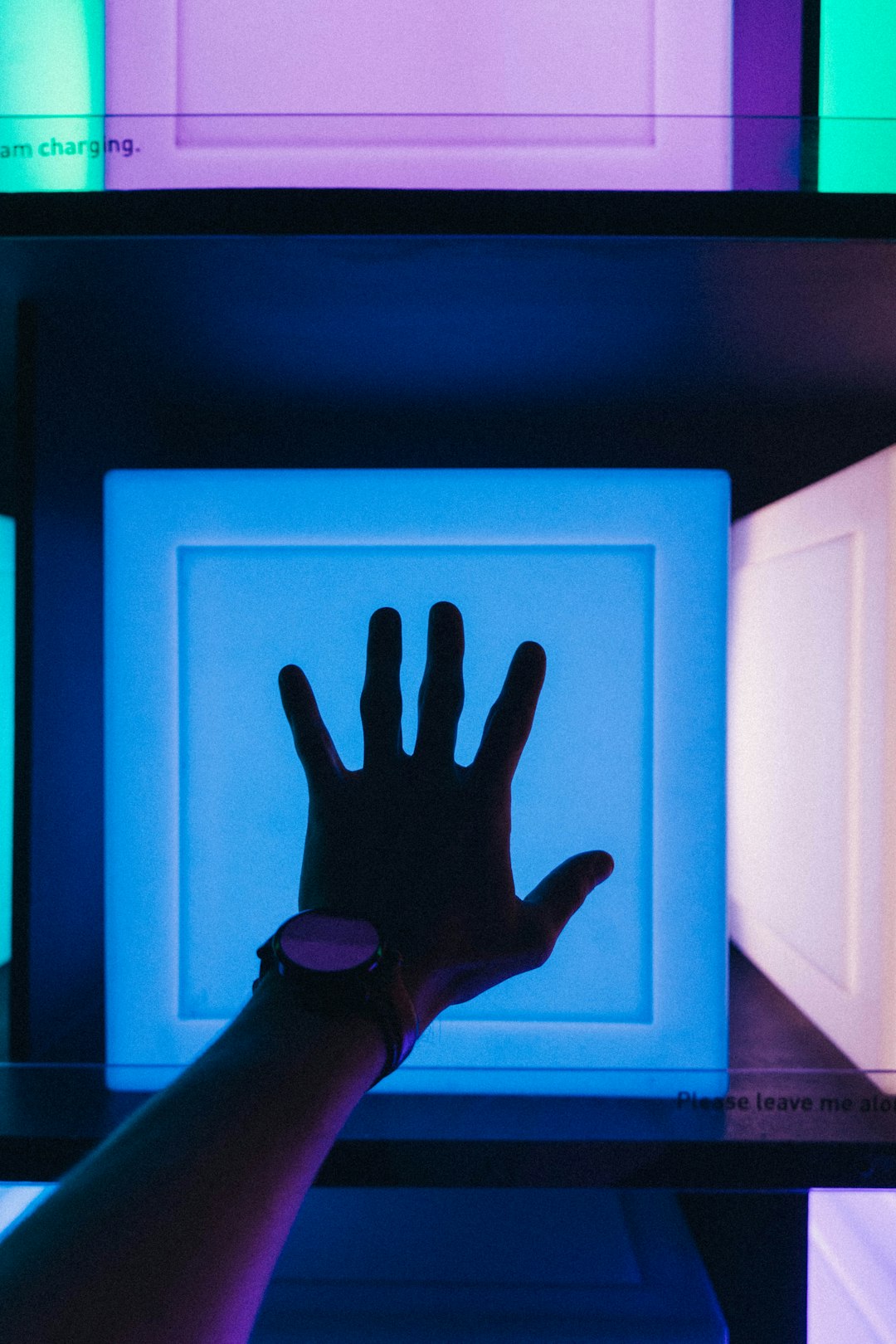
Hospitals use it to identify patients. Banks use it for ATM security in some countries.
It is clean. Contactless. And very secure.
7. DNA-Based Authentication
This is the ultimate identity marker.
Your DNA is completely unique to you.
DNA authentication is not common for daily smartphone unlocking. It is slower and more complex. But in high-security environments, it can be critical.
It is used in:
- Forensic investigations
- Criminal identification
- Highly sensitive research facilities
Recent advances are speeding up DNA analysis. Some portable DNA scanners can now provide results in under an hour.
Still, this tool is best for special cases. Not everyday access control.
But when maximum identity certainty is required, DNA wins.
8. Multimodal Biometric Systems
Why use one method when you can use two or three?
Multimodal biometric systems combine multiple biometric factors.
For example:
- Face + voice
- Fingerprint + iris
- Behavior + facial recognition
This layered approach boosts security dramatically.
If one method fails, the other verifies identity.
It also reduces false positives. That means fewer mistakes.
Airports and financial institutions increasingly rely on this method.
It creates a strong identity shield. Very hard to break.
Why Advanced Identity Verification Matters
Cybercrime is growing. Fast.
Data breaches happen daily. Password leaks are common.
Biometrics add a deeper layer of security.
You cannot easily steal someone’s iris. Or their typing rhythm. Or the veins inside their hand.
Advanced verification tools also help with:
- Reducing identity theft
- Stopping financial fraud
- Protecting sensitive data
- Improving user experience
Good security should feel invisible. Biometrics make that possible.
Are Biometric Tools Safe?
This is an important question.
Biometric data is sensitive. Unlike passwords, you cannot change your fingerprint easily.
That is why advanced systems:
- Encrypt biometric data
- Store templates, not raw images
- Use secure hardware modules
- Apply AI fraud detection
Instead of storing a photo of your face, systems store mathematical representations. These are nearly impossible to reverse engineer.
Security and privacy must go hand in hand.
The Future of Biometric Authentication
The future looks exciting.
We are moving toward:
- Continuous authentication
- Passwordless logins
- AI powered fraud detection
- Frictionless user experiences
Imagine walking into your office. дверs open automatically. Your workstation logs in instantly. All without touching anything.
No passwords. No badges. No delays.
Biometric tools make that future possible.
Final Thoughts
Biometric authentication is not science fiction. It is here. And it is improving fast.
From fingerprints to palm veins. From voice recognition to behavioral tracking. Each tool adds a new layer of certainty.
The goal is simple. Make security stronger. Make access easier.
In a digital world full of risks, your identity is your most valuable asset.
And increasingly, you are the password.