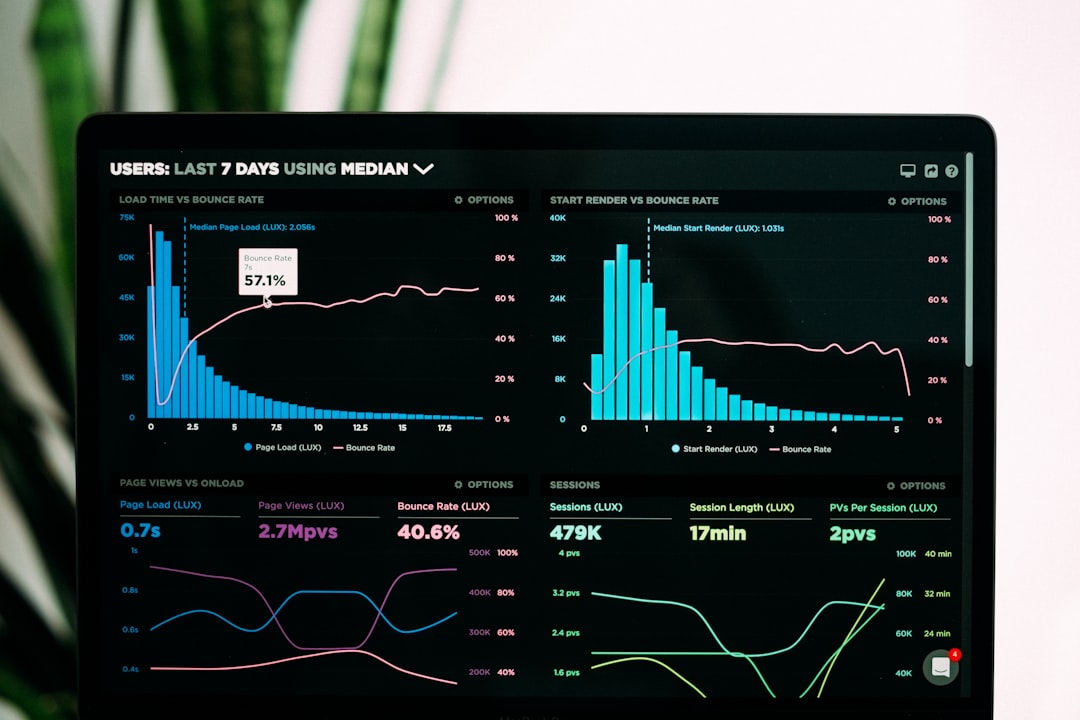

Machine learning models rarely fail all at once. More often, they quietly degrade—predictions become less accurate, data patterns shift, latency increases, or bias creeps in. Without clear visibility into what’s happening in production, even the most sophisticated models can lose value quickly. That’s where model monitoring platforms come in, helping teams detect issues early, optimize performance, and maintain trust in their AI systems.
TLDR: Model monitoring platforms help teams track performance, detect drift, ensure data quality, and maintain compliance for ML systems in production. Leading tools such as Arize AI, Fiddler, Evidently AI, WhyLabs, Datadog, and AWS SageMaker Model Monitor offer a range of capabilities from real-time alerts to deep explainability. The right choice depends on your infrastructure, scale, and governance requirements. Investing in monitoring is essential for sustaining ML performance over time.
Below are six standout model monitoring platforms that help organizations optimize machine learning performance and protect their AI investments.
Why Model Monitoring Matters
Once a model is deployed, it enters a dynamic environment. Customer behavior shifts, market conditions change, sensors malfunction, and new categories of data appear. In this constantly evolving landscape, models can suffer from:
- Data drift – Input data distribution changes over time.
- Concept drift – The relationship between inputs and outputs evolves.
- Prediction skew – Differences between training and production environments.
- Infrastructure issues – Latency spikes, downtime, and pipeline failures.
- Bias and fairness issues – Performance disparities across groups.

Model monitoring platforms provide observability into these risks through dashboards, alerts, statistical testing, explainability tools, and automated diagnostics. Instead of discovering issues through customer complaints, teams gain proactive insights that enable continuous optimization.
1. Arize AI
Best for: Advanced ML observability and drift detection
Arize AI has positioned itself as a comprehensive observability platform for machine learning systems. Designed for data scientists and ML engineers, it offers deep visibility into model performance at scale.
Key features include:
- Real-time performance tracking
- Data and concept drift detection
- Embedding visualization for NLP and CV models
- Error analysis and root cause investigation
- Model explainability tools
Arize stands out for its strong support of unstructured data, making it a favorite among teams working with large language models, recommendation engines, and computer vision systems. Its interactive visualizations help users drill down into problem segments quickly, accelerating troubleshooting.
For organizations with complex ML pipelines and high data volume, Arize provides the depth needed to maintain reliability and performance.
2. Fiddler
Best for: Explainable AI and regulatory compliance
Fiddler emphasizes model transparency and governance. In regulated industries such as finance, healthcare, and insurance, explainability is not optional—it’s mandatory.
Core capabilities:
- Model explainability with global and local insights
- Fairness monitoring and bias detection
- Drift detection with customizable thresholds
- Comprehensive audit trails
- Performance analytics across segments
Fiddler allows teams to understand not just that a model is underperforming, but why. Its fairness dashboards identify disparities across demographic groups, supporting responsible AI initiatives.
For enterprises focused on compliance, accountability, and stakeholder trust, Fiddler offers a strong balance between monitoring and governance.
3. Evidently AI
Best for: Lightweight monitoring and reporting
Evidently AI is popular among startups and mid-sized teams that want robust monitoring without heavy infrastructure overhead. Originally open-source, it provides flexible deployment options.
Highlights include:
- Automated drift reports
- Data quality checks
- Performance evaluation dashboards
- Open-source and cloud offerings
- Easy integration with Python workflows
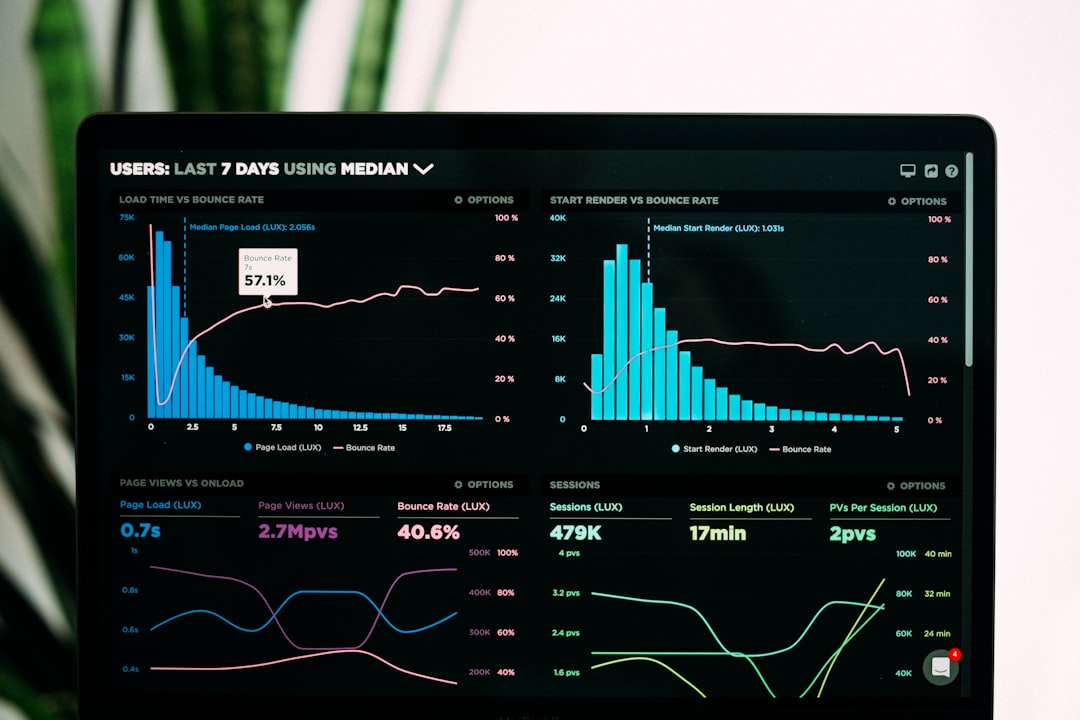
Evidently shines in generating detailed reports that clearly communicate changes in feature distributions and performance metrics. Its simplicity makes it especially appealing for experimentation-heavy environments.
If your team values flexibility and hands-on customization, Evidently AI offers a practical and accessible solution.
4. WhyLabs
Best for: Continuous model validation and anomaly detection
WhyLabs focuses on AI observability with a strong emphasis on real-time anomaly detection. Built for scalable production environments, it integrates seamlessly into data pipelines.
Notable features:
- Automated data profiling
- Statistical monitoring of features and predictions
- Alerting systems for anomalies
- Privacy-preserving telemetry
- Integration with popular ML frameworks
WhyLabs collects lightweight behavioral summaries instead of raw data, reducing security risks while maintaining monitoring effectiveness. This design makes it appealing for privacy-sensitive industries.
Its automated anomaly detection capabilities reduce manual oversight and allow teams to focus on model improvement rather than firefighting.
5. Datadog (ML Observability)
Best for: Infrastructure-integrated ML monitoring
Originally known for infrastructure and application monitoring, Datadog has expanded into ML observability. The platform is especially powerful for organizations already using Datadog for DevOps monitoring.
Advantages include:
- Unified view of application and model metrics
- Latency and throughput monitoring
- Custom metric tracking
- Alerting and incident response workflows
- Scalable cloud-native integrations
Datadog excels at connecting model health with infrastructure health. If latency spikes correlate with prediction degradation, teams can quickly trace the root cause.
This integrated approach supports true MLOps, aligning model performance with system performance.
6. AWS SageMaker Model Monitor
Best for: Native monitoring within AWS ecosystems
For teams already building and deploying models in AWS, SageMaker Model Monitor provides seamless monitoring capabilities built directly into the ecosystem.
Core capabilities:
- Data quality monitoring
- Drift detection against training baselines
- Automated retraining triggers
- CloudWatch integration
- Scalable managed infrastructure

Because it’s deeply embedded in AWS services, SageMaker Model Monitor reduces integration complexity. It’s particularly beneficial for organizations that want a streamlined, fully managed experience.
While it may not offer the specialized visualizations of some standalone tools, its convenience and scalability are major advantages.
Comparison Chart
| Platform | Primary Strength | Drift Detection | Explainability | Best For |
|---|---|---|---|---|
| Arize AI | Deep ML observability | Advanced | Yes | Large-scale ML systems |
| Fiddler | Explainability and fairness | Yes | Advanced | Regulated industries |
| Evidently AI | Lightweight monitoring | Yes | Basic | Startups and mid-size teams |
| WhyLabs | Anomaly detection | Yes | Moderate | Privacy-sensitive production systems |
| Datadog | Infrastructure integration | Custom | Limited | DevOps-focused organizations |
| AWS SageMaker Model Monitor | AWS-native monitoring | Yes | Basic | AWS-based deployments |
How to Choose the Right Platform
When selecting a model monitoring platform, consider:
- Infrastructure alignment: Does it integrate with your current cloud and MLOps stack?
- Model complexity: Do you work with structured data, LLMs, or unstructured inputs?
- Compliance requirements: Is explainability mandatory?
- Team expertise: Do you need user-friendly dashboards or customizable APIs?
- Scalability: Can it handle growing data volumes?
Ultimately, the best solution balances automation with actionable insights. Monitoring should not overwhelm teams with metrics—it should illuminate the signals that matter most.
Final Thoughts
Deploying a machine learning model is not the finish line—it’s the beginning of a continuous optimization journey. Models interact with real-world data that never stands still, and without proper monitoring, performance erosion is inevitable.
The six platforms covered here represent different strengths: deep observability, governance, lightweight flexibility, anomaly detection, infrastructure integration, and cloud-native convenience. Whether you’re managing a handful of models or a large-scale AI ecosystem, investing in the right monitoring platform protects your models, your users, and your business outcomes.
In modern AI systems, monitoring isn’t optional—it’s the backbone of reliable, responsible, and high-performing machine learning.