
Modern applications live and die by their APIs. Whether you’re running microservices in Kubernetes, managing third-party integrations, or supporting mobile and web clients at global scale, APIs are the backbone of your digital ecosystem. For production environments and DevOps teams, monitoring those APIs is no longer optional—it’s mission-critical. The right API monitoring software helps you detect outages before users do, optimize performance, and maintain reliability in even the most complex distributed systems.
TLDR: API monitoring tools are essential for maintaining uptime, performance, and reliability in modern production systems. The best solutions combine real-time monitoring, alerting, analytics, and DevOps integrations. This article covers six leading API monitoring platforms—Datadog, New Relic, Postman, SmartBear AlertSite, Checkly, and Dynatrace—along with a comparison chart to help you choose the right fit. Each tool offers unique strengths depending on your infrastructure, scale, and team workflows.
Below, we explore six powerful API monitoring software solutions designed for modern production environments and DevOps teams.
1. Datadog API Monitoring
Datadog is a comprehensive observability platform widely adopted by DevOps and SRE teams. Its API monitoring capabilities are part of a broader ecosystem that includes infrastructure monitoring, APM (Application Performance Monitoring), log management, and synthetic testing.
Key Features:
- Synthetic API tests with scheduled checks from global locations
- Deep integration with cloud services like AWS, Azure, and GCP
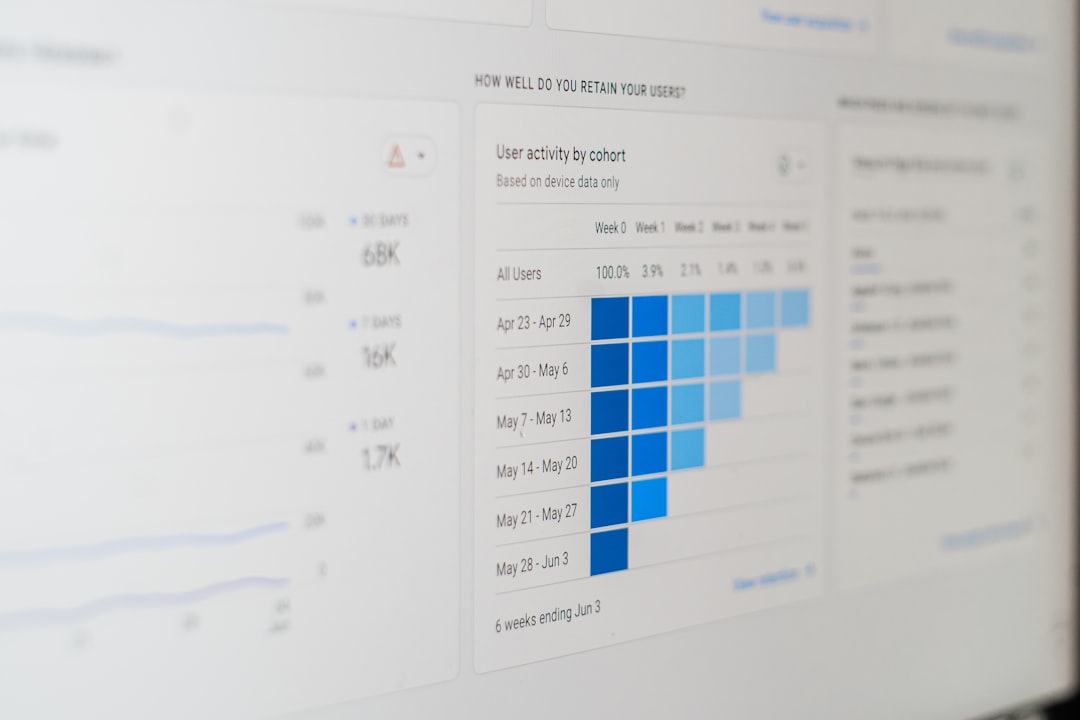
- Customizable dashboards with real-time metrics
- Intelligent alerting with anomaly detection
- Correlation between API performance and infrastructure health
Datadog shines in environments where visibility across the entire stack is crucial. If your APIs depend heavily on containerized microservices or serverless architecture, Datadog provides the context needed to identify bottlenecks quickly.
Best for: Organizations running cloud-native or hybrid infrastructures that need unified observability.
2. New Relic API Monitoring
New Relic offers robust API monitoring through its APM and synthetic monitoring products. It emphasizes real-time telemetry and detailed transaction tracing, making it ideal for performance-heavy production environments.
Key Features:
- End-to-end transaction tracing
- Real user monitoring (RUM)
- Custom dashboards and NRQL queries
- Synthetic API checks from multiple geolocations
- AI-powered insights and anomaly detection
New Relic excels at drilling down into performance data. DevOps teams can trace latency issues to individual service calls or database queries, which is especially helpful in microservices architectures.
Best for: High-traffic applications requiring detailed performance diagnostics and root cause analysis.
3. Postman API Monitoring
While Postman is best known as an API development platform, it also offers built-in monitoring capabilities that integrate seamlessly with its testing ecosystem.

Key Features:
- Automated scheduled API tests
- Collection-based monitoring
- Environment-based testing (staging, production)
- Integrations with CI/CD pipelines
- Team collaboration and version control
Postman’s strength lies in its developer-friendly workflow. Teams already using Postman for API design and testing can extend those collections into production monitoring with minimal effort.
However, Postman is less comprehensive than full observability platforms. It focuses primarily on functional health checks rather than deep infrastructure correlation.
Best for: Development-focused teams seeking lightweight, easy-to-deploy API monitoring.
4. SmartBear AlertSite
SmartBear AlertSite is a long-standing player in synthetic monitoring. It specializes in external API and endpoint monitoring, ensuring availability and performance from the user’s perspective.
Key Features:
- Real-browser and API monitoring
- Global monitoring nodes
- Private locations for internal APIs
- Advanced alerting and reporting
- SLA tracking and compliance reporting
AlertSite is especially useful for organizations that must meet strict SLA requirements. Its global test locations simulate real-world usage patterns, helping teams identify regional latency or connectivity issues.
Best for: Enterprises focused on uptime guarantees and external-facing APIs.
5. Checkly
Checkly is built with DevOps teams in mind. It combines API and synthetic monitoring with a developer-first approach, integrating directly into CI/CD workflows.
Key Features:
- API checks using REST and GraphQL
- Infrastructure-as-code support
- Monitoring as part of CI pipelines
- Playwright-powered browser checks
- Integrations with Slack, PagerDuty, and Opsgenie
Checkly stands out for its “monitoring as code” philosophy. Teams can version-control monitoring configurations and deploy them alongside application updates.
This approach reduces configuration drift and aligns monitoring with modern GitOps practices.
Best for: Fast-moving DevOps teams practicing CI/CD and infrastructure as code.
6. Dynatrace
Dynatrace is an enterprise-grade observability platform powered by AI-driven analytics. It automatically maps dependencies across services, APIs, and infrastructure layers.

Key Features:
- Automatic service discovery
- AI-based root cause analysis
- Distributed tracing across microservices
- Cloud and Kubernetes monitoring
- Security and vulnerability insights
Dynatrace’s AI engine reduces noise by correlating millions of data points into actionable alerts. Instead of overwhelming teams with notifications, it highlights root causes directly.
Best for: Large enterprises with complex distributed systems.
Comparison Chart
| Tool | Best For | Synthetic Monitoring | APM Integration | CI/CD Integration | AI Insights |
|---|---|---|---|---|---|
| Datadog | Cloud-native teams | Yes | Yes | Yes | Yes |
| New Relic | Performance-focused apps | Yes | Yes | Yes | Yes |
| Postman | Developer teams | Yes | Limited | Yes | No |
| AlertSite | SLA-driven enterprises | Yes | Limited | Limited | No |
| Checkly | CI/CD DevOps teams | Yes | Limited | Strong | Limited |
| Dynatrace | Large enterprises | Yes | Yes | Yes | Strong |
How to Choose the Right API Monitoring Solution
Selecting the right tool depends on your architecture, team maturity, and business requirements. Here are several considerations:
- Scale and Complexity: Large microservices environments benefit from AI-driven observability platforms like Dynatrace or Datadog.
- Developer Workflow: If monitoring needs to live inside your CI/CD pipeline, Checkly or Postman may be ideal.
- Compliance and SLAs: For strict uptime guarantees, external synthetic monitoring tools like AlertSite shine.
- Budget: Full-stack observability tools provide depth but can be costly at scale.
- Hybrid vs. Cloud-native: Ensure the platform integrates with your specific infrastructure stack.
Ultimately, the right solution balances visibility, automation, and actionable insights without overwhelming your team.
Why API Monitoring Is Critical in Production
Production environments are unpredictable. Traffic spikes, third-party outages, configuration errors, and code regressions can degrade APIs without warning.
Without proactive monitoring, teams rely on user complaints as their primary alert system—a risky and reputation-damaging approach.
Effective API monitoring provides:
- Early detection of downtime
- Performance optimization insights
- Improved incident response time (MTTR)
- Enhanced customer trust and reliability
- Data-driven scaling decisions
In a DevOps culture where speed and stability must coexist, API monitoring bridges the gap between rapid deployment and production reliability.
Final Thoughts
APIs power modern digital experiences—from mobile apps to SaaS platforms and IoT devices. As complexity grows, so does the need for intelligent monitoring.
The six solutions outlined above—Datadog, New Relic, Postman, SmartBear AlertSite, Checkly, and Dynatrace—each offer distinct advantages. Some excel at deep observability, others at developer-centric workflows, and a few dominate in enterprise-grade AI analytics.
The best choice isn’t always about feature count. It’s about alignment—with your team’s workflow, your production architecture, and your long-term reliability goals.
Investing in the right API monitoring software isn’t just about preventing downtime—it’s about empowering your DevOps team to move faster, solve problems confidently, and deliver exceptional digital experiences at scale.