
Artificial intelligence has rapidly transformed the creative landscape, offering designers new ways to ideate, prototype, and produce visual content faster than ever before. While Adobe Firefly has become a prominent AI-powered solution within the Adobe ecosystem, it is far from the only option available. Many designers are actively exploring alternatives that better suit their workflows, budgets, or creative preferences. Whether you are a freelance graphic designer, a UX specialist, or part of a creative agency, understanding your options can help you make a more informed decision.
TLDR: Adobe Firefly is not the only AI design tool worth considering. Strong alternatives like Midjourney, DALL·E, Canva Magic Studio, Runway, Stable Diffusion, and Leonardo AI offer powerful capabilities for image generation, editing, and creative experimentation. Each platform differs in pricing, customization depth, integration, and licensing terms. Choosing the right one depends on whether you prioritize photorealism, brand integration, ease of use, or advanced control.
Below are six serious alternatives to Adobe Firefly that designers can confidently explore.
1. Midjourney
Midjourney has gained a reputation for producing some of the most aesthetically sophisticated AI-generated imagery available today. Known for its painterly style and cinematic outputs, it is particularly popular among concept artists, illustrators, and branding designers.
Key strengths:
- Exceptional artistic quality and texture rendering
- Strong stylistic interpretation of prompts
- Active community sharing prompt techniques
- Frequent model improvements
Considerations:
- Operates primarily through Discord
- Less direct integration with traditional design software
- Limited native editing tools compared to Adobe products
Midjourney is particularly suitable for designers who prioritize imaginative visuals over rigid brand compliance. If your work involves concept storytelling, album art, book covers, or high-impact social visuals, Midjourney is a compelling alternative.
2. DALL·E
DALL·E is widely recognized for its strong natural language understanding and practical editing capabilities. It offers seamless prompt interpretation and is especially reliable when generating realistic compositions or making targeted visual edits.
Key strengths:
- Accurate object relationships and scene composition
- Built-in editing features like inpainting and outpainting
- Strong handling of typography in images (compared to many tools)
- Reliable commercial usage frameworks
Considerations:
- Less stylized by default than Midjourney
- Advanced outputs may require prompt refinement
Designers who need predictable outputs for marketing visuals, mockups, and client work often prefer DALL·E because of its balanced realism and controllability.
3. Canva Magic Studio
Canva Magic Studio integrates AI directly into an accessible drag-and-drop platform, making it ideal for designers who frequently produce social media assets, presentations, or marketing materials.
Key strengths:
- User-friendly interface
- AI text-to-image generation built into templates
- Background removal and object editing tools
- Brand kit integration for consistent visual identity
Considerations:
- Less advanced customization than standalone AI art models
- May not satisfy high-end concept artists
For designers who need speed and convenience—especially in client-facing marketing environments—Canva Magic Studio offers a practical and efficient AI solution.
4. Runway
Runway stands apart because of its strong emphasis on AI-powered video editing and multimedia production. While Adobe Firefly also integrates with video workflows, Runway is particularly innovative in generative video effects.
Key strengths:
- AI video generation and transformation tools
- Object removal for video
- Green screen replacement without physical setup
- Advanced motion-based editing capabilities
Considerations:
- Learning curve for more advanced features
- Subscription costs for professional-level rendering
If your work spans motion graphics, product demos, or short-form advertising videos, Runway can serve as a forward-looking alternative to Firefly’s still-image orientation.
5. Stable Diffusion
Stable Diffusion appeals to technically inclined designers who value customization and control. As an open-source model, it allows users to run AI image generation locally or via third-party platforms.
Key strengths:
- Full customization with community-built models
- Ability to train on specific styles or assets
- Local installation option for privacy-sensitive projects
- Large plugin ecosystem
Considerations:
- Requires technical configuration
- User interface varies by implementation
For studios working on proprietary creative assets or specialized aesthetics, Stable Diffusion provides unmatched flexibility. However, it demands more technical attention than Firefly’s streamlined environment.
6. Leonardo AI
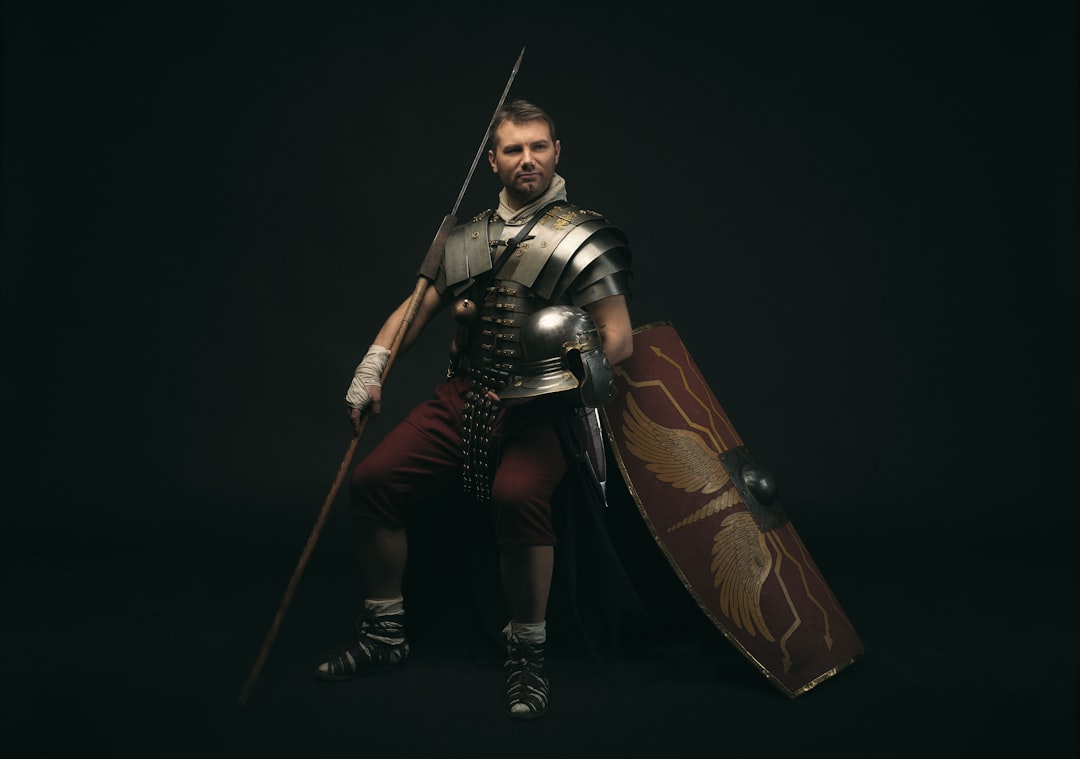
Leonardo AI increasingly attracts designers focused on game development, fantasy illustration, and stylized branding. It offers fine-tuned control features and high-resolution generation.
Key strengths:
- High-detail outputs suitable for game assets
- Custom model training options
- User-friendly interface for advanced control settings
- Strong support for creative industries
Considerations:
- Credit-based generation limits
- Less integrated with conventional productivity ecosystems
Designers building immersive worlds or character-driven narratives often find Leonardo AI a powerful companion tool.
Comparison Chart
| Tool | Best For | Ease of Use | Customization | Video Support | Integration |
|---|---|---|---|---|---|
| Midjourney | Artistic, cinematic visuals | Moderate | Medium | No | Limited |
| DALL·E | Marketing visuals, realistic edits | High | Medium | No | API and platform integrations |
| Canva Magic Studio | Social media and marketing content | Very High | Low to Medium | Limited | Strong within Canva |
| Runway | Video and motion projects | Moderate | Medium to High | Yes | Standalone platform |
| Stable Diffusion | Custom-trained models, privacy | Low to Moderate | Very High | No | Depends on setup |
| Leonardo AI | Game art and detailed illustration | Moderate | High | No | Standalone platform |
How to Choose the Right Alternative
Selecting the best Adobe Firefly alternative requires clarity about your workflow. Consider the following criteria:
- Type of Work: Are you creating branded marketing assets or conceptual sci-fi worlds?
- Integration Needs: Do you require connection to existing tools like Photoshop or video editors?
- Learning Curve: Are you comfortable with technical configuration?
- Licensing Requirements: Does your work require strict commercial usage rights?
- Budget: Subscription-based versus flexible credit models.
Designers in enterprise environments may value compliance and integration, while freelancers might favor flexibility and artistic output above all else.
Final Thoughts
Adobe Firefly remains a robust AI-powered addition to the creative toolkit, especially for those deeply invested in the Adobe ecosystem. However, it does not monopolize the space. Midjourney offers artistic depth, DALL·E delivers reliability, Canva Magic Studio prioritizes accessibility, Runway innovates in video, Stable Diffusion empowers technical creators, and Leonardo AI strengthens fantasy and gaming use cases.
AI design assistance should enhance—not replace—human creativity. The most successful designers use these tools strategically: accelerating ideation, polishing drafts, and exploring variations that might otherwise take hours. By carefully evaluating your needs and testing multiple platforms, you can identify a solution that complements your creative strengths rather than constraining them.
The future of design will not be defined by one tool alone, but by how effectively designers integrate AI assistance into thoughtful, intentional workflows.