
Talking to AI feels easy. It feels private. Like a notebook that talks back. But it is not magic. And it is not your therapist, lawyer, or vault. If you care about privacy, there are things you should never type into ChatGPT. Some details should stay with you. Or be shared only in safe places.
TLDR: ChatGPT is helpful, but it is not a secret keeper. Avoid sharing personal data, passwords, financial info, private conversations, and anything illegal. Once you type something, you may lose control over it. When in doubt, leave it out.
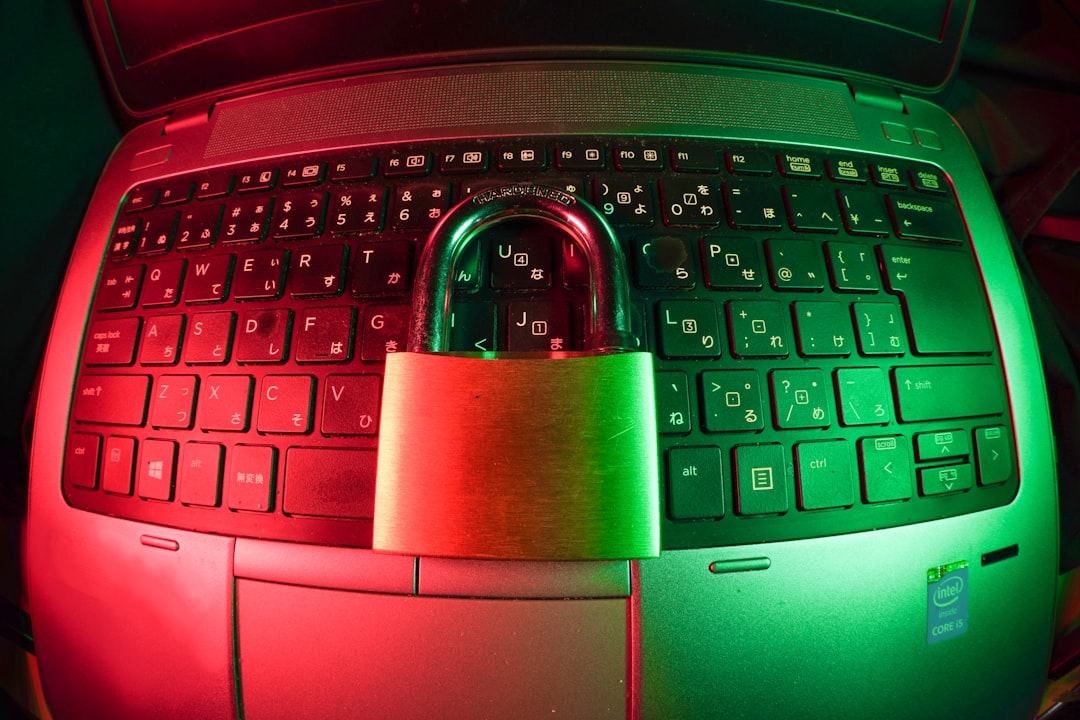
1. Your passwords and login details
This one seems obvious. Yet people still do it.
Never type your passwords into ChatGPT. Not even as an example. Not even “just to test something.” That includes:
- Email passwords
- Bank logins
- Social media credentials
- Work system access codes
Why is this bad?
Because passwords are the keys to your life. Once exposed, they can be reused, leaked, or stolen. You may not see it happen. But damage can happen later.
Some people ask ChatGPT to “store” passwords. That is a terrible idea. ChatGPT is not a password manager. Real password managers exist for a reason.
Rule to remember: If you would not shout it in a coffee shop, do not type it here.
Use fake data if you need an example. Always.
2. Personal identity information
This is the big one.
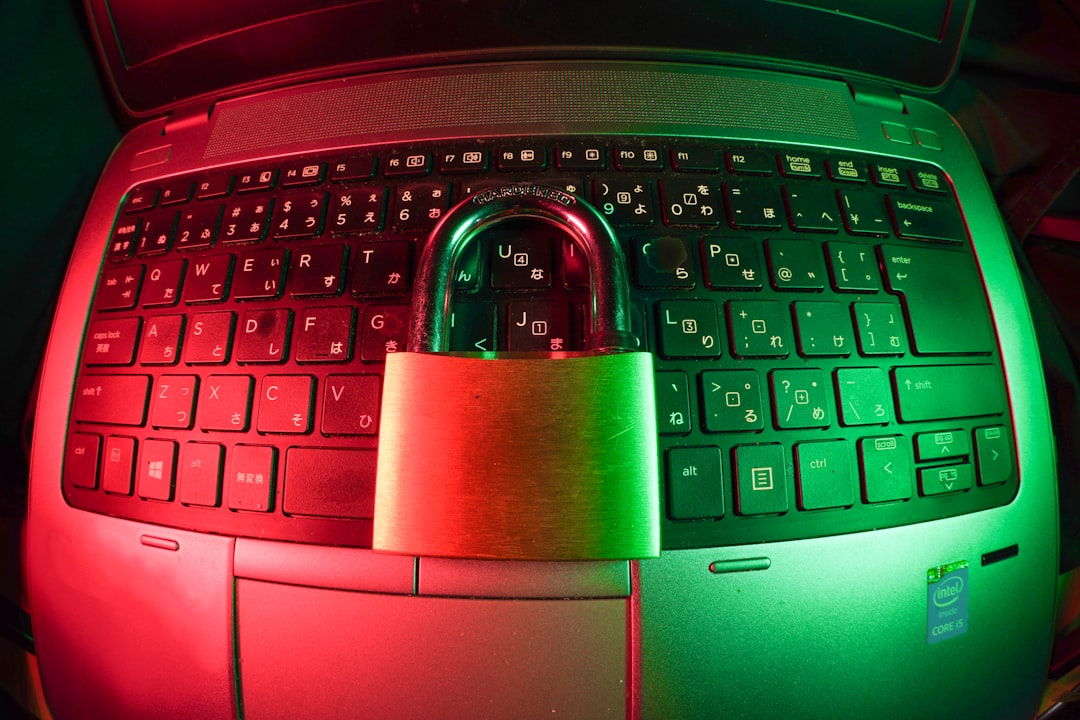
Personal identity details can be used to track you, impersonate you, or steal from you. That includes:
- Your full legal name
- Home address
- Phone number
- Date of birth
- Social Security numbers or national IDs
- Passport or driver license numbers
Even partial information can be risky.
You might think, “It is only my city.” Or “It is only my first name.” But when combined with other details, it adds up.
AI does not need to know who you are. It only needs context. You can say “a person” instead of your name. You can say “a city” instead of your address.
Protect your identity like you protect your wallet.
Once shared, you cannot take it back.
3. Financial and banking details
Money talk is risky talk.
Never share:
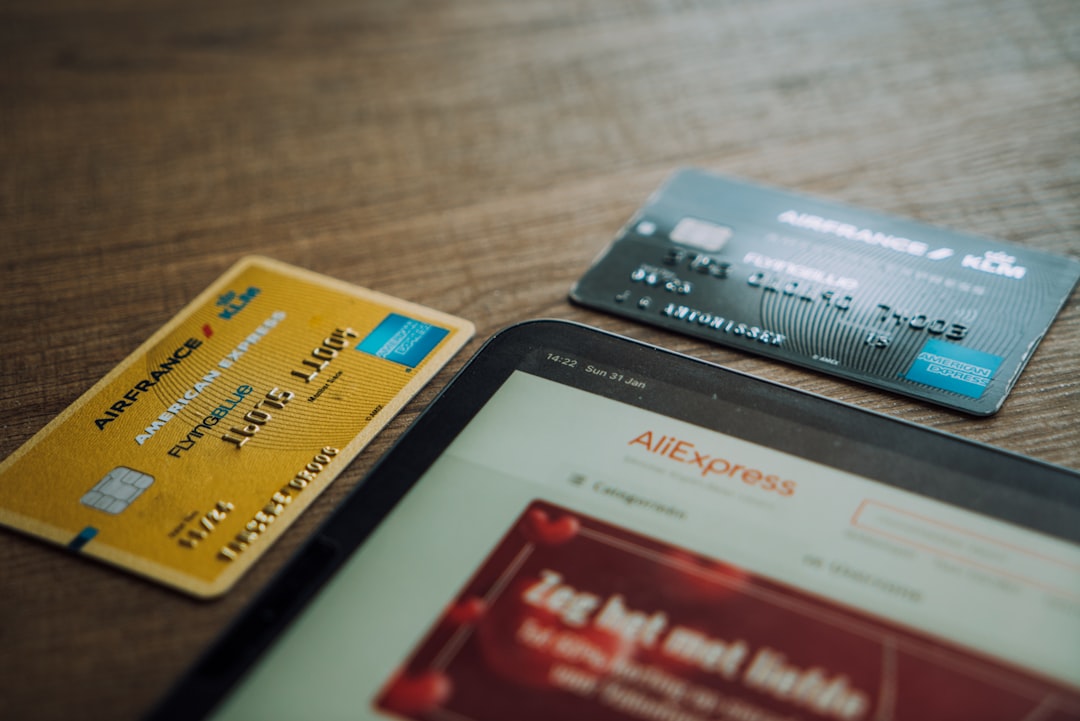
- Credit card numbers
- Debit card numbers
- Bank account numbers
- Investment account logins
- Crypto wallet private keys
Some users paste bank statements to “analyze spending.” That may seem smart. It is not safe.
Even if names are removed, transaction details can reveal patterns. Where you shop. Where you live. What you earn.
If you want budgeting help, summarize your numbers. Round them. Change them. Do not paste originals.
Tip: Use pretend data. AI works just as well with fake numbers.
4. Private conversations and other people’s data
This one is sneaky.
People often paste:
- Private emails
- Text messages
- Slack or work chats
- Family arguments
- Medical or legal messages
You may want advice. Or clarity. That is human.
But those messages were not meant for an AI.
They may contain someone else’s personal data. Their feelings. Their secrets. Sharing it without consent crosses a line.
There is also risk to you. Work chats can include confidential info. Client data. Business plans.
If you want help, rewrite the situation. Summarize it. Remove names. Remove details.
Respect other people’s privacy as much as your own.
5. Illegal activity or plans
This is where curiosity gets dangerous.
Do not tell ChatGPT about:
- Crimes you committed
- Crimes you plan to commit
- Ways to scam people
- How to bypass laws or systems
- Harmful acts toward others
First, it is wrong.
Second, it can seriously backfire.
AI systems have safeguards. They monitor misuse. Conversations can be reviewed to improve safety.
Even joking about illegal activity can cause trouble.
Use AI to learn. To create. To solve legal problems the right way. Not to cause harm.
Smart rule: If it could get you in legal trouble, do not type it.

Why people overshare with AI
Because it feels friendly.
ChatGPT responds fast. It sounds calm. It does not judge. It listens.
That creates a false sense of safety.
But remember. AI is a tool. Not a diary. Not a therapist. Not a human friend.
You control what you share. Every time you press enter.
Oversharing usually happens when people are stressed or curious. Or when they forget the rules.
Pause before you type.
How to stay safe while using ChatGPT
You do not need to be afraid. Just be smart.
- Use general descriptions
- Change names and details
- Use fake examples
- Do not paste raw documents
- Ask for structure, not secrets
Think of ChatGPT as a whiteboard. You would not write private info on a public whiteboard.
Same idea here.
Final thoughts
ChatGPT is powerful. Useful. Fun.
But privacy is your responsibility.
Once data leaves your head and enters a system, control fades. The safest secret is the one you never share.
Use AI wisely. Keep your personal life yours. And enjoy the benefits without the risks.