
The modern command line is no longer a dull, monochrome interface reserved for seasoned developers. Today, it can be transformed into a sleek, highly customizable workspace tailored to your productivity style. Tools like Hyper paved the way for visually enhanced terminals, opening the door to extensions, themes, and advanced configurations that go far beyond default system shells. But Hyper is only the beginning.
TL;DR: If you love customizing your terminal like you would a code editor, there are powerful alternatives to Hyper worth exploring. Tools such as Warp, Alacritty, Kitty, Terminator, and Tabby offer unique blends of speed, themes, plugins, and session management. Whether you want GPU acceleration, collaboration features, or deep workflow control, there’s a terminal app that fits your needs. Below, we break down five standout options and compare their strengths to help you decide.
Let’s explore five terminal enhancement apps that can elevate your command-line experience.
1. Warp – The Modern, Collaborative Terminal
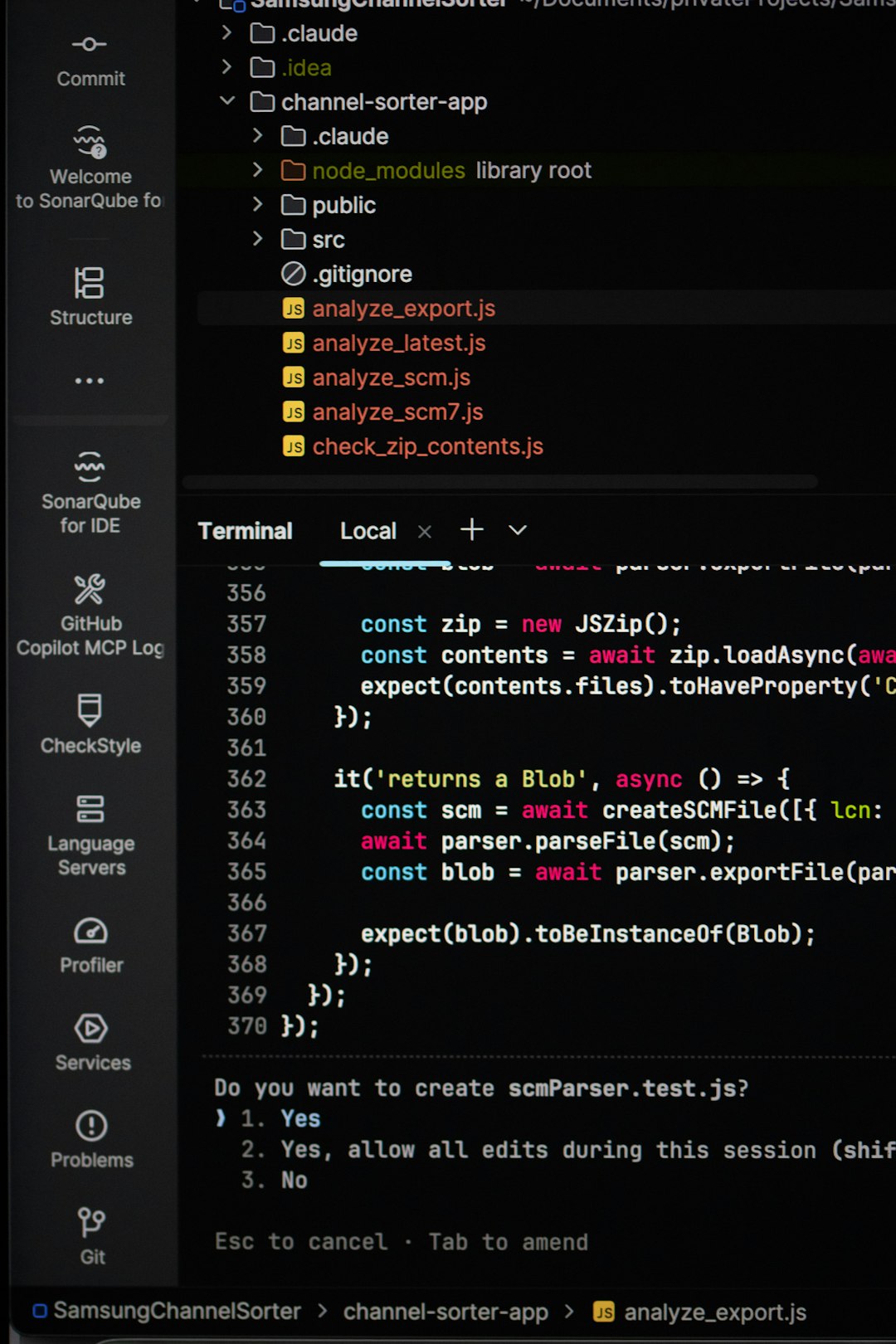
Warp has quickly gained attention for reinventing how developers interact with the terminal. Built in Rust and designed with performance in mind, Warp introduces features you might expect from modern IDEs—such as autocomplete, command blocks, and collaborative tools.
Key Features:
- AI-powered command suggestions that simplify complex operations
- Reusable command blocks for clean output separation
- Team collaboration tools for shared debugging
- Custom themes and font support
Why choose Warp?
If you want a terminal that feels closer to a productivity app than a raw shell, Warp is a compelling option. It’s especially useful for teams and developers juggling multiple repeated commands. However, it may feel opinionated for users who prefer total manual control.
2. Alacritty – GPU-Accelerated Speed
If performance is your top priority, Alacritty deserves your attention. Written in Rust and powered by GPU acceleration, Alacritty focuses on doing one thing exceptionally well: being fast.
Unlike Hyper, which uses web technologies and extensions, Alacritty keeps things lightweight. Customization happens mostly through configuration files, which appeals to users who prefer fine-tuned settings over plugin ecosystems.
Key Features:
- GPU-accelerated rendering for exceptional speed
- Cross-platform support (Windows, macOS, Linux)
- YAML configuration for precise customization
- Minimalist, distraction-free design
Who is it for?
Developers who value performance over flashy UI enhancements will appreciate Alacritty. While it lacks built-in tabs and panes (handled by external multiplexers like tmux), its responsiveness makes it a favorite among power users.
3. Kitty – Scriptable and Feature-Rich
Kitty blends speed with robust advanced features. Like Alacritty, it uses GPU acceleration—but Kitty goes further by incorporating built-in window tiling, tab support, and even image rendering inside the terminal.
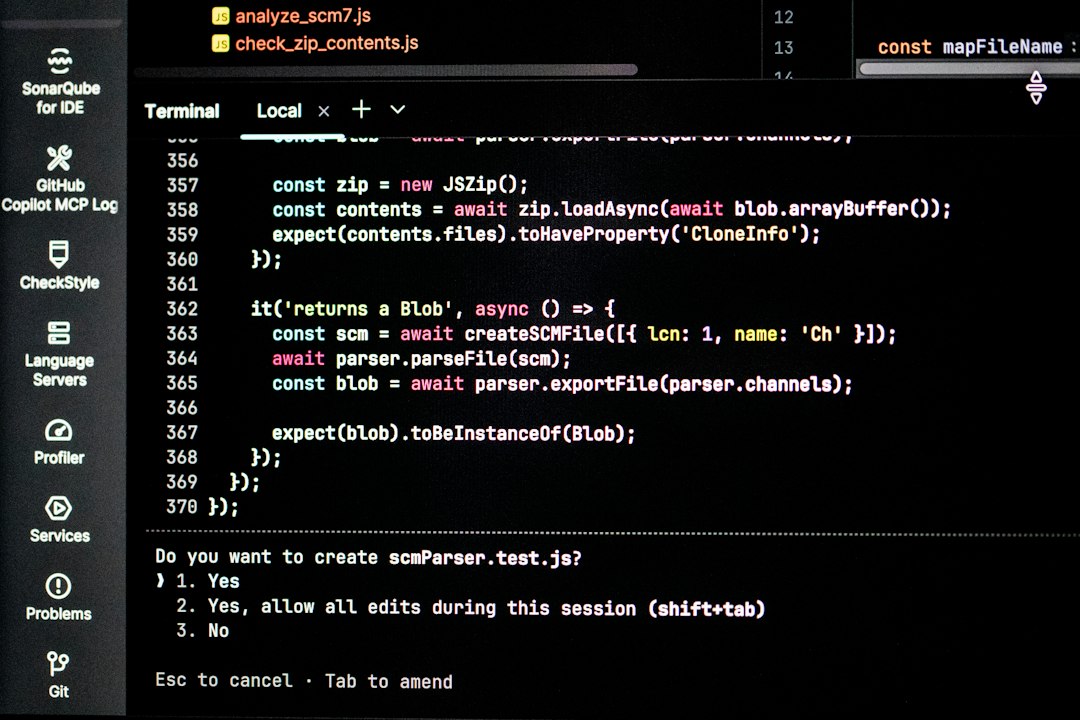
One standout aspect is its remote control feature, which allows scripts to interact with the terminal. This opens doors for automation workflows that would otherwise require external tools.
Key Features:
- GPU-based rendering engine
- Built-in tiling and tab management
- Support for displaying images and graphics
- Highly scriptable configuration
What makes Kitty different?
Kitty strikes a balance between raw performance and built-in functionality. It reduces reliance on add-ons while maintaining strong customization capabilities. For advanced users who enjoy scripting their environment, Kitty can be incredibly powerful.
4. Terminator – Multi-Pane Powerhouse
For users who frequently manage multiple terminal sessions at once, Terminator is a productivity gem. Built primarily for Linux environments, Terminator focuses on flexibility and layout control.
You can split terminals horizontally or vertically, group them, broadcast commands across panes, and save layouts for repeated use. This makes Terminator ideal for server management, DevOps tasks, or monitoring multiple logs simultaneously.
Key Features:
- Flexible pane splitting and grouping
- Custom keybindings
- Plugin support
- Layout saving and restoration
Best use case:
If your workflow involves juggling SSH sessions or running parallel processes, Terminator gives you unmatched visual control without excessive overhead.
5. Tabby – A Highly Customizable Cross-Platform Terminal
Tabby (formerly Terminus) is often considered one of the closest competitors to Hyper in terms of appearance and extensibility. Built with modern web technologies, Tabby offers plugin support, themes, and cross-platform compatibility.
Key Features:
- Theme and plugin support
- Cross-platform compatibility
- Integrated SSH client
- Extensible API ecosystem
Why consider Tabby?
If you enjoy Hyper’s aesthetics but want a more actively maintained or differently structured platform, Tabby is an excellent alternative. It blends visual customization with practical terminal features, including SSH management.
Comparison Chart
| Terminal App | Performance Focus | Customization Style | Built-in Tabs/Panes | Plugin Support | Best For |
|---|---|---|---|---|---|
| Warp | High | Modern GUI + AI enhancements | Yes | Limited | Collaborative teams |
| Alacritty | Very High (GPU) | Config file based | No (external) | No | Performance enthusiasts |
| Kitty | Very High (GPU) | Scriptable + config | Yes | Limited | Advanced automation users |
| Terminator | Moderate | Layout driven | Yes | Yes | Multi-session workflows |
| Tabby | High | Themes + plugins | Yes | Yes | Customization lovers |
How to Choose the Right Hyper Alternative
Choosing the right terminal comes down to your workflow priorities:
- If speed is paramount, Alacritty or Kitty are excellent options.
- If you want an IDE-like terminal experience, try Warp.
- If managing multiple panes is your primary need, Terminator excels.
- If visual customization and plugins matter most, Tabby feels closest to Hyper.
Remember that terminals are deeply personal tools. What feels intuitive and efficient for one developer may feel clunky to another. Trying several options for a few days each is often the best way to determine your fit.
Final Thoughts
The command line has evolved from a simple textual interface into a customizable productivity environment. While Hyper remains a popular choice, it is far from the only option. Whether you prioritize performance, collaboration, layout control, or visual themes, the right terminal enhancement app can dramatically improve your coding workflow.
Experimenting with these five alternatives—Warp, Alacritty, Kitty, Terminator, and Tabby—can help you build a terminal setup that feels uniquely yours. After all, developers spend countless hours in the command line. Why not make it powerful, efficient, and even a little beautiful?
By investing time into customizing your terminal today, you’re not just improving its appearance—you’re optimizing your entire development experience.